
Invisible inflation: why life feels pricier even when prices don’t change
Everyday examples and simple solutions you can use
advertisements
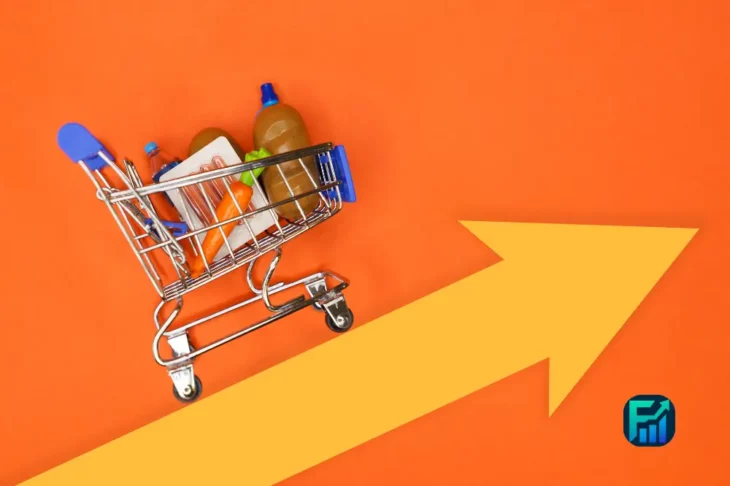
You’re buying the usual groceries. The total looks familiar. Yet you’re running out sooner.
That’s invisible inflation at work.
Inflation doesn’t always show up as a clear price jump.
Sometimes you pay the same amount, but get less, wait longer, or lose perks that used to be included.
The effect is real: your money doesn’t go as far.
This article explains invisible inflation in plain language You’ll see where it hides, why it happens, and what you can do without spreadsheets or jargon.
Inflation you don’t see: a simple explainer
Invisible inflation is the quiet side of rising costs.
Instead of a higher sticker price, the change shows up in size, quality, or service.
Businesses face higher expenses too.
To cope, they may change the product rather than the tag.
You still pay what you’re used to, but the value shifts.
Here are the most common forms.
Shrinkflation
The package looks the same. The weight is a bit less. You’re paying the same price for fewer grams or fewer pieces.
Think snack bags, cereal boxes, and even household items like paper towels.
One or two downsizes seem small. Across a month, they add up.
Skimpflation
The price stays put, but quality slips.
Maybe the recipe changes. Maybe the fabric is thinner. Maybe service is slower or staffed by fewer people.
You still pay the usual amount, but you get less satisfaction for it.
Drip pricing and extra fees
You see a base price. Then taxes, fees, and add-ons appear at checkout.
By the time you pay, the total is much higher than you expected.
This shows up with travel, tickets, and some online services. It can also appear in banking, telecom, or delivery orders as small “service” charges.
Lifestyle inflation
Your income rises. Your spending quietly rises with it. You upgrade coffee, subscriptions, gadgets, and takeout by habit not by plan.
Nothing is “wrong” with enjoying upgrades. The risk is drifting into a higher cost of living without noticing.
Quality fade
You buy the same brand. It just doesn’t last as long. Replacing things more often has the same effect as a price increase.
Where invisible inflation shows up in daily Canadian life
You’ll spot it most in routine spending. Here’s what to watch for, with simple, real-world examples.
Groceries and household basics
A yogurt cup is a little shorter. A “family size” bag shrinks by a few handfuls. A multipack includes fewer units.
You’re topping up midweek when you used to last until the weekend.
That’s your budget feeling invisible inflation.
Streaming and subscriptions
Plans split into tiers. Perks move to higher tiers. Family sharing gets tighter limits.
Same brand. Different value for the same monthly cost.
Telecom and internet
Intro prices end. Small fees appear. Data or speed caps feel stricter.
You might not notice right away—until your bill creeps up or your plan feels smaller than before.
Travel and entertainment
You pick a ticket at a good price. After fees, the total looks different. Seat selection, baggage, or service charges push the number higher.
This is a classic case of paying more than the first number suggested.
Restaurants and takeout
Portions shrink. Sides are no longer included. Delivery adds platform and service fees on top of tips and tax.
The meal feels pricier even when the menu price looks familiar.
Personal care and apparel
Bottles hold a little less. Fabric blends change. Items wear out sooner, so you replace them more often.
Over a year, that replacement cycle becomes a real cost.
How to protect your wallet from invisible inflation
You don’t need a finance degree. Just a few steady habits. Pick the ones that fit your life and stick with them.
Compare by unit, not by package
Look at price per 100 g, per litre, or per roll. Unit price lets you spot shrinkflation fast.
If the “value size” no longer delivers value, switch sizes or brands.
Store brands often keep a clear unit price advantage.
Read labels with fresh eyes
Don’t assume the product is unchanged. Check weight, ingredients, and count. If it’s smaller or different, note it in your head before it goes in the cart.
Make a short “always buy” list
List your top 10 repeat items: coffee, milk, oats, detergent. Track their typical unit prices.
When you see a genuine deal, buy an extra. You’ll shop less often and dodge surprise downsizes.
Meal-plan lightly, not perfectly
Pick three simple dinners for the week. Build your list around those. Having a plan reduces last-minute orders and pricey top-ups.
Leftovers are your friend. One planned extra portion beats one unplanned delivery.
Audit subscriptions in ten minutes
Open your banking app. Scroll the last few months. Cancel trials you forgot. Shift to annual if you truly use it and the math works.
If the service moved key features to a higher tier, decide if the upgrade is worth it. If not, switch.
Negotiate or switch providers
For internet, mobile, and insurance, a quick call can help. Ask about loyalty offers or new-customer equivalents. If the answer is no, get a quote elsewhere. Switching once in a while keeps costs honest.
Watch for fees and drip pricing
Before you check out, scan for add-ons. Remove extras you don’t need. If a fee looks unclear, ask.
Sometimes you can choose pickup over delivery, e-tickets over mailed, or a different flight time to reduce fees.
Buy for durability, not just price
A cheap item that fails early is a quiet price hike. Read a few reviews. Choose the version that lasts. Replacing less is a win against inflation.
Use a simple “upgrade rule”
Want to upgrade something? Sleep on it for 24 hours. If you still want it, find an older model or refurbished option. Enjoy the upgrade without the full price.
Automate the boring, check the big stuff
Set automatic payments for bills to protect your payment history. Review “big rocks” every year: internet, mobile, insurance, gym, streaming. Those are the places where invisible inflation sneaks in.
Build a small buffer
Set aside a little each paycheque. Even a modest cushion helps you avoid credit when prices jump. You’ll feel calmer and more in control.
Smart grocery habits that actually work
Keep it simple and practical.
- Shop with a plan. A short list saves money and time.
- Use unit prices. That’s where shrinkflation shows up.
- Swap brands when value slips. Loyalty is great, but your budget comes first.
- Batch-cook once a week. One pot, two meals.
- Freeze extras. Future you will say thanks.
Real-life examples without the math headache
You buy the same cereal every week. The box looks identical. The weight drops a little. Unit price reveals it.
You switch to a larger bag with a better per-100 g cost. Same breakfast, better value.
Your mobile plan added a small monthly fee.
You call, ask about current promotions, and get that fee waived for a year. Five minutes. Real savings.
Your favourite takeout now charges extra for the usual side.
You check the menu and choose a combo that still includes it.
Small change, lower total.
Mindset shifts that make a big difference
You don’t need to track every penny. You do want to notice patterns.
Default to curiosity
“Same price,what changed?” That question alone can save you.
Detach from brands
If the value slips, try something else. Sometimes the store brand is better anyway.
Celebrate the boring wins
Cancelling one unused subscription is a win. Getting a fee waived is a win. These add up faster than you think.
A simple routine to stay ahead of inflation
Keep it light and repeatable.
Weekly
- Skim balances and upcoming bills.
- Glance at grocery flyers for your “always buy” list.
- Plan three dinners and one batch-cook.
Monthly
- Review subscriptions and small fees.
- Price-check one routine service—mobile, internet, or insurance.
- Top up your buffer fund.
Quarterly
- Compare unit prices on your top items and adjust brands if needed.
- Do a quick closet, pantry, and bathroom shelf check. Use what you have before buying more.
Frequently asked, answered simply
Is invisible inflation the same as regular inflation?
It’s part of the picture. Regular inflation shows up as higher prices. Invisible inflation shows up as smaller sizes, lower quality, or more fees.
Why don’t companies just raise prices?
Sometimes they do. Other times they change the product or service to avoid sticker shock. Either way, your cost per use goes up.
Can I really beat it?
You can’t control inflation. You can control your habits. Small, steady actions protect your budget.
Stay sharp, spend with intention
Invisible inflation is sneaky, but you’re not powerless. Watch unit prices. Audit subscriptions. Negotiate when it makes sense.
Buy what lasts. Keep a small buffer.
Do a little, often.
That’s how you keep your footing when inflation tries to move the goalposts.
Your money should work as hard as you do—and with a few smart habits, it will.