
Envelope method: does it really work for people living in big cities like Toronto and Vancouver?
Envelope method for city living
advertisements
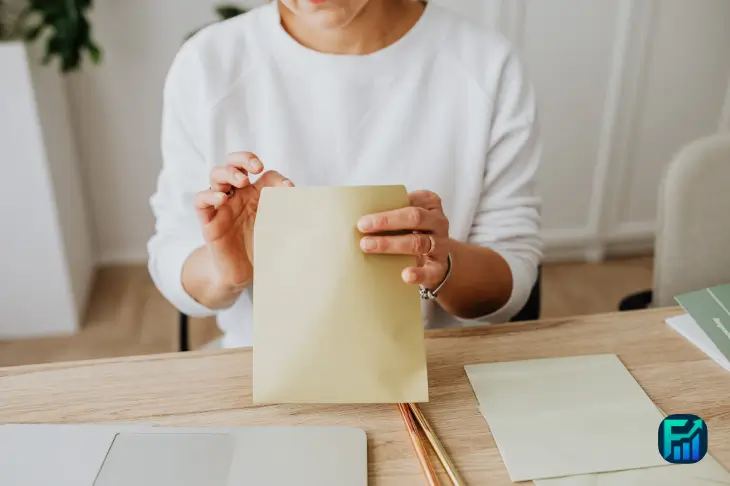
The envelope method might sound like an old-fashioned way to manage your money, but it still helps many people take control of their spending.
Especially for those living in big cities like Toronto and Vancouver, where every dollar seems to vanish fast, the envelope method can feel like a return to simplicity.
Continue reading to understand how it works, when it helps, and when it might not fit your lifestyle.
What is the envelope method and why do people still use it?
The envelope method is a simple cash-based budgeting system.
You divide your monthly income into physical envelopes, each labelled with a spending category such as rent, groceries, transportation, kids’ activities, or eating out.
Once an envelope is empty, you stop spending in that category until next month.
People keep using the envelope method because it gives a strong sense of control. You literally see how much you have left.
For many, it is a visual and emotional reminder that helps them think twice before spending. That is powerful in cities where prices climb fast and paycheques barely stretch.
Imagine you live in Vancouver and earn around three thousand dollars after taxes.
You put twelve hundred for rent, four hundred for groceries, one hundred fifty for transportation, one hundred for eating out, and smaller amounts for phone bills and savings.
The envelopes make your money visible, real, and limited. No app can match that feeling of holding your budget in your hands.
However, life in Toronto or Vancouver is not always predictable.
Sometimes your child gets sick, groceries go up, or your bus pass costs more than you planned. Can the envelope method keep up with modern urban life?
How can you start using the envelope method today?
Starting the envelope method does not require fancy tools.
You only need cash, envelopes, and commitment. Still, beginning can feel tricky when most payments are digital.
The first step is to track where your money goes. Write down every expense for one month.
Do not judge yourself because the goal is awareness, not guilt.
Once you know your spending, set your categories. For example, rent, groceries, transportation, health, savings, fun, and emergency.
Then, visit your bank or ATM and withdraw the amount you will need for the month. Label each envelope with the category and amount.
Keep them in a safe spot at home. Every time you spend, use cash from the right envelope.
If you prefer not to carry cash, you can try a hybrid version.
Some Canadians use digital envelopes through budgeting apps that let you separate funds virtually. It is not as tangible, but it still gives structure.
Here are a few tips to make the envelope method work better:
- Keep categories simple to avoid confusion.
- Review your envelopes every week to see what is left.
- Move leftover cash to a savings jar at the end of the month.
- Do not borrow from one envelope to fill another.
- Add one small fun envelope to avoid burnout.
- Reassess categories every few months as costs change.
This small system can make you think before buying that extra coffee or ride share trip.
What mistakes do people make with the envelope method?
Many beginners jump in too fast. They set unrealistic budgets, like cutting groceries in half or skipping a fun category altogether.
That leads to frustration and quitting early.
Another common mistake is mixing cash and cards. When you pay digitally for some things but cash for others, it is easy to lose track.
The envelope method only works when you can see your full picture clearly.
Some people also treat the method like punishment. It is not about restricting your life. It is about building awareness and small habits.
Using envelopes should feel empowering, not stressful.
If you live in a city like Toronto or Vancouver, you might also face a challenge because rent and bills are usually paid online.
That is okay. You can still use envelopes for the rest, like groceries, transportation, and personal expenses. The idea is to stay mindful, not rigid.
The biggest success stories come from those who adjust, not those who aim for perfection.
The envelope method works best when it fits your life, not the other way around.
How can the envelope method fit busy urban lifestyles?
People in big cities often have hectic schedules.
Long commutes, side jobs, and family duties leave little time for counting cash. But that does not mean the envelope method cannot adapt.
You can start small with just one or two envelopes for categories where you overspend, like eating out or online shopping.
This limited version still brings awareness without overwhelming you.
Another approach is to pair the method with digital tools. Some banking apps let you split your account into sub-budgets, mimicking envelopes.
This hybrid version works well for busy people who want structure without dealing with physical cash daily.
In Toronto, for example, many commuters now use reloadable transit cards. Instead of an envelope for transport, set a monthly auto-load and track it as if it were cash spent.
The goal is not literal envelopes but mental boundaries.
How can you make the envelope method easier to manage?
If you often feel tired or short on time, organization helps.
Schedule one short money check-in each week.
Look at your envelopes, count what is left, and note how you feel about your spending. This builds financial awareness slowly and gently.
Here is a simple weekly routine that helps many people stay on track:
- Sunday evening: count your envelopes and note balances.
- Monday: review any digital payments and subtract them manually.
- Wednesday: check your grocery envelope and adjust your shopping plan.
- Friday: move leftover small bills into a savings envelope.
- Saturday: allow one small treat if your envelopes are balanced.
These habits take minutes but build a strong foundation over time. The envelope method is not magic, but it brings rhythm to your finances.
The act of checking envelopes becomes a moment to pause, breathe, and feel in control again.
What should you expect when using the envelope method?
The first month usually feels awkward. You may run out of cash early or forget which envelope to use.
That is normal. The second month feels easier because you start seeing patterns.
Maybe groceries always go over budget or you realize your phone plan costs more than expected.
After a few months, many people notice something deeper. Spending becomes emotional, not just mathematical.
You start asking yourself if you really need something before taking money out. That is the hidden power of the envelope method. It makes every dollar a choice.
Still, it is not perfect. Carrying cash can feel unsafe or inconvenient. Some bills cannot be paid in cash.
Inflation may also change your numbers fast. But these are not reasons to quit. They are signs to adapt. The key is flexibility and awareness.
If you stick with it for a few months, you will understand your own habits better than any app could tell you.
How can you tell if the envelope method is right for you?
Ask yourself how you feel about money. Do you often wonder where it all went?
Do you feel nervous checking your balance? If yes, the envelope method might bring calm and clarity.
It is ideal for people who prefer tangible control and who struggle with impulsive spending.
It is also great for families teaching kids about budgeting because it makes money visible.
But it may not fit if you use mostly digital payments or share expenses with multiple people.
In those cases, try the hybrid envelope method, physical for groceries and digital for bills. The goal is awareness, not perfection.
Many Canadians who live in expensive cities say the envelope method taught them how to stretch each paycheque further without feeling deprived.
It is about balance, not deprivation.
Why do doubts about the envelope method stop people from trying?
People often hesitate because they think it is outdated or too slow for modern life.
But the truth is, the envelope method is not about old habits. It is about mindfulness.
It asks you to slow down, notice your spending, and build control in a world that constantly pushes you to buy more.
Another common doubt is safety. Carrying cash feels risky in big cities. That is fair.
The solution is simple. Only withdraw what you need for the week. Keep the rest at home in a safe place.
Others worry it takes too much time. Yet many who use the envelope method say they actually spend less time stressing over money because their plan is clear.
A few minutes organizing envelopes can save hours of anxiety later.
Ultimately, the method works if you make it yours. Add small changes, keep it flexible, and remember it is a learning process.
Budgeting is not about being perfect. It is about getting better each month.
Final thoughts
The envelope method reminds us that money is physical, emotional, and limited, and that is okay.
It teaches you to prioritize what truly matters, whether it is your rent, your kids’ needs, or a small coffee that brings joy.
In expensive cities like Toronto and Vancouver, it might not solve everything, but it can help you slow down and make smarter decisions.
Start small, be patient, and you may find that the envelope method offers more peace than you expect.
Educational information, not financial advice.