
High Energy Bills? 6 Tips to Lower Heating Costs This Winter
Simple Ways to Cut Heating Costs and Manage Energy Bills
advertisements
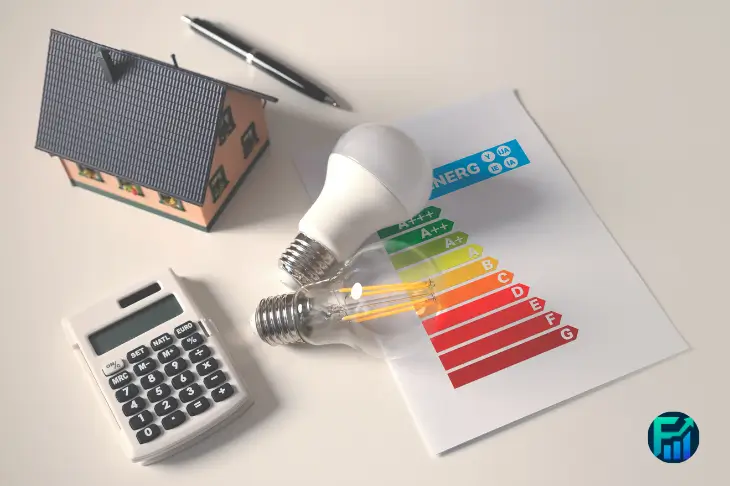
Energy Bills can take a big bite out of your budget when the cold weather arrives, and this often becomes a real stress point for households trying to balance food, rent, transportation and daily expenses.
Many people feel pressured when costs jump without warning, so staying a little ahead of the problem makes a noticeable difference.
If you want to keep your home warm without losing control of your budget, keep reading with me and see what can help.
How can Energy Bills stay under control during colder months?
This question appears every year when temperatures drop and heaters run for longer hours. Many families worry because even small changes in usage can turn into a higher bill at the end of the cycle.
Understanding how your home loses heat and how energy companies calculate charges can make the process easier to manage.
The goal is not perfection but awareness. A warm home should not force you to sacrifice other priorities, and small adjustments can reduce the pressure on your Energy Bills without affecting comfort too much.
How do you start dealing with rising heating costs?
The first step is knowing which parts of your home need attention. Heating systems work by pushing warm air or warm water through your home. When doors, windows or vents let cold air in, your system works harder.
This increases usage, which increases costs. A simple check around your windows and hallway doors helps you see where warm air might be escaping.
You can also review your bill to understand how charges are structured. Energy Bills usually combine usage and delivery fees. When you understand these sections, you identify which habits actually help reduce the total amount.
Even basic adjustments like lowering the thermostat slightly or rearranging furniture to let heat flow make a difference.
What mistakes make Energy Bills even higher?
One common mistake is heating rooms that are rarely used. Many people forget to close vents or doors, and this spreads warm air to spaces that do not need it.
Another mistake is ignoring furnace maintenance. A clogged filter forces the system to run longer to reach the same temperature.
Another issue is setting the thermostat higher than needed after arriving home to speed things up. Heating systems do not warm faster at higher settings. This habit only increases your Energy Bills without improving comfort.
Avoiding these mistakes helps create a home that stays warm without unnecessary costs.
How can busy households follow smart energy strategies?
When you juggle long work shifts, childcare, transit time and household tasks, complicated energy-saving plans simply do not fit. You need simple steps that save money without requiring hours of research or major home upgrades. T
he good news is that small changes can make heating more efficient and lower your Energy Bills in a practical way.
The trick is building tiny habits that stay consistent. Even if you only have a few minutes each evening, those minutes help your home hold heat longer and reduce heating usage naturally.
What quick steps can help you lower Energy Bills with little time?
If your routine is hectic, you can still take actions that make heating cheaper and more predictable. Here is a small guide that fits into almost any schedule.
Try these steps whenever you want quick and simple improvements:
- Lower the thermostat slightly during sleep hours to reduce consumption.
- Close doors to unused rooms so your heater warms only the spaces you occupy.
- Check window drafts by placing your hand near the frame and feeling for cold air.
- Move large furniture away from vents to allow better airflow around the room.
- Replace or clean furnace filters on a routine basis for better performance.
- Apply for provincial grants or rebates that support home efficiency upgrades.
These steps are fast, practical and effective. Over time, they help your Energy Bills become easier to predict and easier to manage.
How should you evaluate whether these solutions really help?
It is normal to wonder if small adjustments make any real difference. The truth is that heating costs build up through daily habits.
When you take time to understand how your home uses energy, you can decide which improvements are worth your attention and which ones have little impact.
Your Energy Bills become more manageable when you combine simple habits, small upgrades and financial help available in the form of provincial grants. Together, they create a stronger plan for colder months.
What are the realistic costs, time and results from these changes?
Most changes cost little and require only a few minutes, like sealing drafts or adjusting thermostat habits. Others, like insulation or efficient heaters, require more planning.
That is where grants can support you. Grants help reduce the cost of energy-saving upgrades. They function like financial assistance for improvements that lower consumption over time.
Your results depend on your home’s structure and how often you use heating. Many households notice gradual improvements over weeks. You might see slightly lower Energy Bills or more stable indoor temperatures.
These gains build on each other, and the long-term savings often outweigh the effort.
How can you overcome doubts that stop you from saving more?
Doubts appear naturally when money is tight and heating costs keep rising. You may wonder if small changes are worth it or if bigger upgrades fit your budget. These doubts slow down action, but understanding them helps you move forward with confidence.
One common doubt is thinking your home must be perfectly insulated before seeing results. That is not true. Even small improvements reduce the workload of your heater. A
nother doubt is believing that applying for grants is complicated. Many programs are designed to be simple, with clear steps and support during the process.
Another hesitation appears when people feel unsure about the best way to lower Energy Bills. Some believe only expensive upgrades help, but everyday habits are just as important.
Turning off lights, adjusting curtains to hold warmth, or managing thermostat routines contribute to long-term savings.
There is also the concern about comfort. Many think lowering the thermostat means feeling cold all day.
But a minor change, especially at night or when away from home, barely affects comfort and still reduces usage. You can experiment with small adjustments and slowly find the balance that suits your lifestyle.
Another doubt involves the fear of choosing the wrong upgrade. When money is limited, this worry increases. But grants allow you to start with the most affordable improvements, like insulation or draft protection, before moving to larger projects.
Taking one step at a time brings steady progress without overwhelming your budget.
Lastly, some people worry that checking Energy Bills regularly creates stress. In reality, reviewing them helps you understand patterns. You learn which habits help and which ones raise costs.
This gives you more control and reduces the anxiety that usually comes from surprises at the end of the month.
Each doubt you overcome increases your confidence. You start seeing your home respond better to heating, and your Energy Bills become less unpredictable. Even in tight budgets, these improvements offer comfort and peace of mind.
As you continue testing strategies, remember that your home does not need to be perfect. The goal is to build a warmer, more efficient space while keeping your budget stable. With time, you will know which steps fit your routine and which ones you can skip.
When you combine thoughtful habits with support programs and simple upgrades, your heating system works more efficiently. The benefits grow gradually and help you feel more secure throughout the cold months.
You deserve a home that feels warm without creating financial pressure. With steady habits and available support, that balance becomes much easier to reach.
Keep exploring changes that match your lifestyle and pay attention to what works well in your space. With patience, your Energy Bills can become more manageable and predictable, no matter how cold it gets outside.
Educational information — not financial advice. Energy Bills.