
Is a consumer proposal better than bankruptcy for your debt?
A clear guide to a consumer proposal option
advertisements
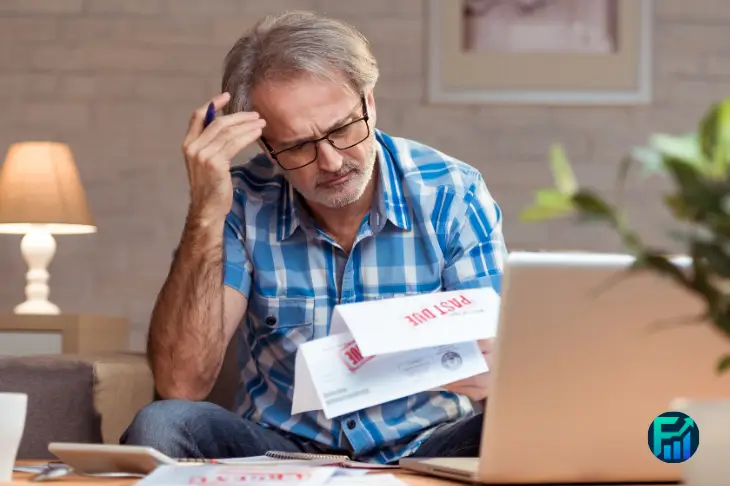
Consumer proposal is often mentioned as a middle ground for people who feel trapped by debt but want to avoid bankruptcy. A consumer proposal allows you to repay only part of what you owe, over time, with legal protection. Keep reading to understand if this option could fit your situation.
When money is tight, debt problems usually grow quietly. Credit cards, personal loans, and missed bills start piling up. Before long, phone calls and letters make everyday life stressful.
Many Canadians believe bankruptcy is the only way out. That belief is common, but it is not always true. There are legal alternatives that offer protection while helping you keep important assets.
Is a consumer proposal designed to reduce debt pressure?
A consumer proposal is a formal agreement set up under Canadian law. It lets you negotiate with creditors to repay a portion of your debt over time. Once accepted, collection calls stop and interest is frozen.
This option exists for people who cannot repay their full balances but still have some income. It is not a quick fix, but it creates breathing room. That space can make daily budgeting feel possible again.
Unlike informal payment plans, a consumer proposal is legally binding. Creditors must follow the terms once the proposal is approved.
How does a consumer proposal work in simple terms?
You work with a licensed professional who reviews your debts and income. Together, you propose a monthly payment you can realistically afford. This amount is usually lower than your total debt.
The proposal is then shared with creditors for review. If the majority agree, the consumer proposal becomes active. From that point on, payments follow the agreed schedule.
Payments can last up to five years. During that time, interest does not grow, and creditors cannot take legal action.
What mistakes cause people to misunderstand this option?
One common mistake is thinking a consumer proposal clears debt instantly. It does not. It is a structured repayment plan that takes time and discipline.
Another mistake is assuming it damages your finances forever. While your credit is affected, the impact is usually lighter than bankruptcy. Understanding this difference matters.
Some people also wait too long, hoping things improve on their own. Acting earlier often creates better outcomes and lower payments.
Can a consumer proposal help when time and energy are limited?
Many people dealing with debt also juggle work, family, and rising living costs. They do not have time to manage constant negotiations. A consumer proposal simplifies the process.
Once in place, you make one payment instead of many. You no longer respond to calls or letters. This consistency reduces stress and confusion.
For people who feel overwhelmed, structure can be powerful. A consumer proposal creates clear steps and expectations.
What steps are involved in starting the process?
The first step is a full review of your financial picture. Income, expenses, and debts are examined together. This helps define what payment level is realistic.
Next, the proposed payment plan is drafted and submitted. Creditors are given time to respond. During this period, legal protection already begins.
Once accepted, you follow the plan until completion. Staying consistent is key to success.
Is a consumer proposal better than bankruptcy for most people?
Bankruptcy is designed for people who truly cannot repay debts. It can involve asset loss and stricter credit consequences. For many, this feels frightening.
A consumer proposal works differently. In most cases, you keep assets like your car or household items. That stability helps families maintain daily routines.
The trade off is time. A consumer proposal requires commitment over several years. Still, many prefer this path because it feels more controlled.
What are the real costs and realistic outcomes?
The cost of a consumer proposal is built into your payments. There are no surprise fees later. This transparency helps with planning.
Your credit report will show the proposal during and after completion. This means access to new credit may be limited for a while. However, recovery often begins sooner than with bankruptcy.
The realistic outcome is relief, not perfection. Debt pressure decreases, but budgeting and discipline remain important.
What doubts stop people from choosing a consumer proposal?
Many worry about the impact on their reputation or future opportunities. These concerns are understandable. Debt already carries emotional weight.
Others fear being judged or misunderstood. In reality, consumer proposals are private legal processes. Employers and landlords are rarely informed.
There is also fear of making the wrong choice. Learning the facts reduces that fear and helps you move forward.
How can you decide with more confidence?
Start by looking at your current situation honestly. Are minimum payments shrinking your budget every month? Are interest charges growing faster than you can pay them?
Comparing options side by side helps clarify priorities. Bankruptcy may erase debt faster, but a consumer proposal often preserves stability.
Choosing does not mean failure. It means taking responsibility and protecting your future.
Debt solutions should match real life, not just numbers on paper. For many Canadians, the balance between relief and responsibility matters deeply.
By understanding how it works, you can see whether a consumer proposal fits your goals and limits. When used thoughtfully, a consumer proposal can offer a structured way forward without losing everything you worked for.
Educational information — not financial advice.