
The Sharing Economy: What It Is and How It Works
How shared services are changing the way we spend money
advertisements
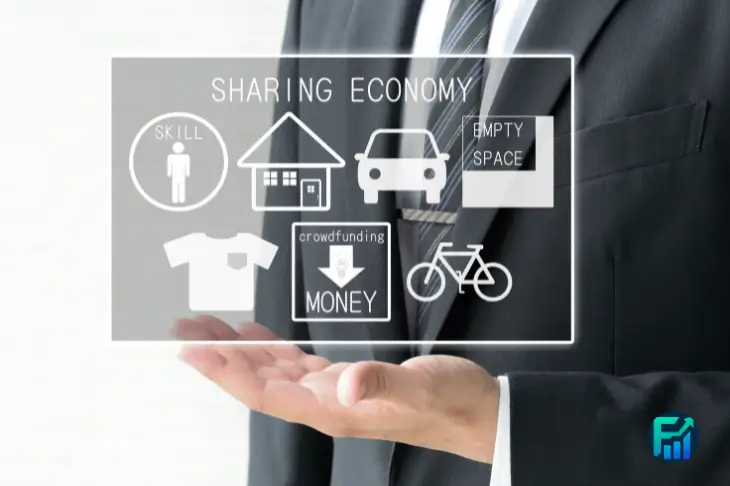
The sharing economy has transformed how people access goods and services, offering more affordable and flexible alternatives to traditional business models.
This system enables individuals to share resources, from ride-sharing to short-term rentals, often facilitated by digital platforms.
Whether you’ve booked a stay on Airbnb or taken an Uber ride, chances are you’ve already participated in this kind of economy.
In this guide, you’ll discover how it works, its benefits, and its impacts on consumers, businesses, and the economy as a whole. Keep reading!
What is the sharing economy?
The sharing economy is a system where individuals share access to goods and services, often through online platforms.
Instead of owning assets outright, people can rent, borrow, or exchange them as needed.
This model is based on collaboration, allowing people to monetize underutilized assets.
For example, homeowners can rent out spare rooms, owners can offer rides, and professionals can share office spaces.
Examples of sharing economy
The sharing economy extends across multiple industries, providing consumers with flexible alternatives to traditional services.
Transportation
Ride-sharing services like Uber and Lyft allow individuals to use their personal vehicles to offer rides, connecting passengers with drivers through mobile apps.
These platforms provide a convenient and often cheaper alternative to traditional taxis, especially in urban areas.
Accommodation
Websites like Airbnb and Vrbo enable homeowners to rent out their properties for short stays, granting more personalized and cost-effective lodging options to travelers.
Finance
P2P lending platforms, such as LendingClub and Prosper, allow people to lend money to others without involving traditional banks.
This approach usually offers borrowers lower interest rates and provides lenders with opportunities to earn higher returns compared to conventional savings accounts.
Goods and services
The sharing economy also involves physical goods and workspaces.
Co-working spaces like WeWork provide flexible office environments, while platforms like Fat Llama enable users to rent tools, cameras, and other equipment instead of purchasing them.
The financial benefits of the sharing economy
The sharing economy presents several financial advantages for consumers, service providers, and businesses alike.
Lower consumer costs through resource optimization
By allowing individuals to rent or share assets instead of purchasing them, this type of economy reduces overall costs.
For example, a person who only needs a power drill for a one-time project can rent it instead of buying a new one.
This optimizes resource use and minimizes waste.
New income streams
Platforms like Airbnb and Uber provide opportunities for individuals to generate income by utilizing assets they already own.
This has enabled many people to turn their side hustles into full-time businesses.
Job creation and flexibility through gig work
The rise of gig work has created flexible employment opportunities.
Many individuals prefer gig jobs because they allow them to set their own schedules, work on their own terms, and earn income without committing to traditional full-time employment.
This has been particularly beneficial for students, retirees, and those seeking supplemental income.
Economic and social challenges
Despite its benefits, the sharing economy also presents challenges, especially in terms of labor rights, regulations, and competition with traditional industries.
Income instability and lack of employee benefits
Gig work provides flexibility, but it often lacks stability and benefits like health insurance, paid leave, and retirement plans.
Many workers rely on multiple gigs to make ends meet, leading to financial insecurity.
Regulation and taxation issues in different countries
Governments worldwide are struggling to regulate the sharing economy.
Some cities have implemented restrictions on ride-sharing services and short-term rentals to protect traditional businesses and ensure fair competition.
Taxation is also a concern, as many gig workers and platform operators act in legal gray areas when it comes to income reporting.
The impact on traditional industries
This type of economy has disrupted traditional industries, leading to tensions between established businesses and new platforms.
Taxi companies have faced declining revenues due to ride-sharing services, while hotels have seen increased competition from short-term rental websites.
This shift has forced conventional businesses to adapt by improving services and pricing strategies.
Conclusion
The sharing economy offers convenience, cost savings, and income opportunities.
However, it also presents challenges related to worker protection, regulations, and competition with traditional industries.
As this type of economy continues to evolve, policymakers, businesses, and consumers must find a balance between innovation and fairness.
Editorial Notice: All content published on this website is completely independent and aims to provide clear, useful, and up-to-date information about personal finance. We have no ties to banks, financial institutions or credit card companies. We are not affiliates and do not receive commissions or payments to promote products or services. Our website is monetized exclusively through the advertisements displayed on our pages.