How to build a rainy day fund with just $10 a week
A rainy day fund starts small
advertisements
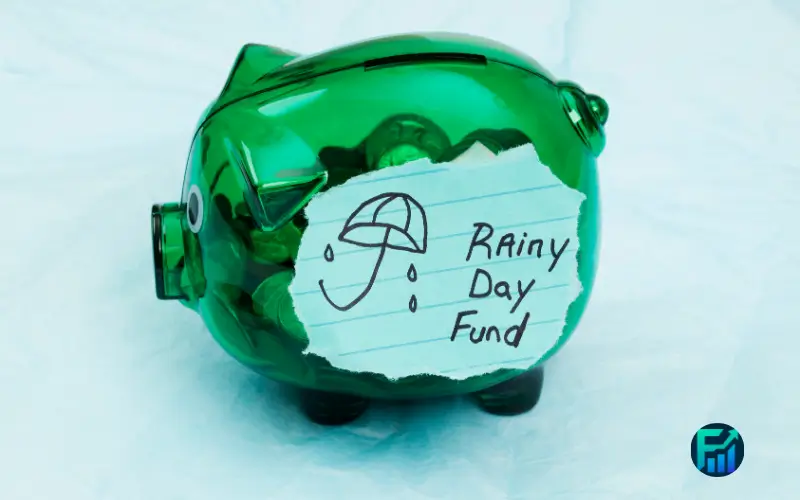
A rainy day fund can start with only $10 a week, even when nearly every dollar already has a job.
Living from paycheck to paycheck can make saving feel unrealistic. Rent, groceries, transportation, medicine, and child care often leave little room for anything else.
You do not need to begin with hundreds of dollars. Small, repeated deposits can create a useful financial cushion. Keep reading to see how a manageable weekly habit can protect your budget.
How can $10 a week create meaningful protection?
Ten dollars may not sound powerful when one car repair can cost hundreds. Its value becomes clearer when you repeat the deposit every week.
Saving $10 each week adds up to $520 after 52 weeks. That amount will not cover every crisis, but it can handle many common surprises.
How does the weekly math work?
The calculation is simple. You save $10 each week and repeat the action 52 times.
That produces $520 before any interest. Saving for six months would provide about $260, while three months would provide about $130.
A worker paid every two weeks could save $20 from each paycheck instead. Someone paid twice monthly could transfer about $22 from each check to stay near the same yearly goal.
The schedule matters less than the total habit. Choose a rhythm that fits how you receive income.
How can $520 help during a real emergency?
A rainy day fund is designed for smaller, unexpected expenses that cannot safely wait. It is not meant for vacations, holiday shopping, or routine bills you can predict.
That money might pay a medical copay, replace a damaged tire, or cover an urgent prescription. It could also pay a utility bill after reduced work hours.
For someone who depends on a car to reach work, a repair can protect more than transportation. It may prevent missed shifts, lost wages, or even job loss.
A parent might use the fund when a child becomes sick and an unpaid day off reduces the next paycheck. A renter might need it for temporary transportation after a sudden move.
These situations show why even a modest balance matters. The fund gives you options at a moment when choices are usually limited.
How can a rainy day fund replace an impossible savings rule?
Many financial discussions tell people to save three to six months of expenses immediately. That can sound discouraging when the monthly budget is already stretched.
A larger emergency reserve can be a useful long term goal. However, it does not need to be your starting point.
How can smaller milestones keep you moving?
Your first target could be $50. After reaching it, aim for $100, then $250, and finally $500.
Each milestone provides more protection than having nothing available. A $100 balance might cover a prescription and transportation to an urgent appointment.
A $250 balance could help with a car battery, a minor plumbing problem, or groceries during a short work interruption. The goal grows alongside your ability to save.
You can eventually build toward one month of necessary expenses. For now, a rainy day fund of a few hundred dollars is a meaningful achievement.
How can savings interrupt the debt cycle?
Without savings, a small problem may turn into expensive debt. A $200 shortage might lead someone to use an overdraft, cash advance, or high cost loan.
Fees and interest then reduce the following paycheck. The next month begins with less money, making another shortage more likely.
A rainy day fund creates a barrier between the emergency and the debt. Using your own $200 does not create a payment due next payday.
This does not mean debt is always avoidable. It means savings can reduce how often you must borrow and how much you need.
The emotional benefit also matters. Knowing that some money is available can reduce the fear caused by every warning light, medical need, or shortened work schedule.
How can you find $10 without ignoring real hardship?
Finding $10 should not mean skipping medicine, meals, or necessary transportation. It also should not depend on unrealistic advice about eliminating every small comfort.
Start by looking for a modest change that causes the least harm. Some weeks may offer several possibilities, while other weeks may offer none.
Here are practical places to look without assuming your budget has large, unnecessary expenses:
- Compare store brands with the products you regularly buy, especially pantry goods and cleaning supplies.
- Review prepaid cell phone plans if your current plan includes data or features you rarely use.
- Prepare one or two extra work meals when cooking dinner, instead of buying lunch during a shift.
- Use a cash envelope for tips, placing the first $10 received each week into savings.
- Save part of an occasional refund, rebate, cash gift, or extra shift without depending on that money every month.
You do not need to use every idea. One change that reliably produces $10 is more useful than five difficult changes you quickly abandon.
How can grocery choices produce a small weekly amount?
Store brands often cost less than national brands, although prices and quality vary. Compare the unit price before switching because the larger package is not always cheaper.
You might replace two or three regular items rather than changing the entire grocery list. Move the difference to savings soon after shopping.
Planning meals around food already at home can also reduce waste. The goal is not to create a perfect meal plan, but to avoid buying something you forgot you owned.
If groceries are already reduced as far as possible, do not force another cut. Look at another category or temporarily lower the weekly deposit.
How can phone and meal costs make room?
A prepaid phone plan may cost less than a traditional plan, especially when you already own your device. Check coverage, data limits, activation costs, and taxes before changing.
A cheaper advertised price is not a real saving if the service fails where you live or work. Compare the full monthly cost before making a decision.
Packed meals can help when buying food during work costs more than eating at home. Start with one shift each week rather than promising to pack every meal.
If one packed lunch saves $10, that amount can go directly into your rainy day fund. This creates a clear connection between the change and your goal.
How can you keep a rainy day fund safe and accessible?
Your reserve should be easy to reach during a genuine emergency. It should also remain separate enough that you do not spend it accidentally.
The best location is usually a straightforward savings account without a monthly maintenance fee. Avoid placing this short term safety money in investments that can lose value.
How can you check whether an account is protected?
For a bank, confirm that the institution is insured by the Federal Deposit Insurance Corporation, known as the FDIC. FDIC insurance automatically covers eligible deposit accounts at insured banks within applicable limits and ownership rules.
For a credit union, look for federal share insurance from the National Credit Union Administration, known as the NCUA. Coverage applies at federally insured credit unions, not automatically at every organization using the credit union name.
The standard coverage limit is generally $250,000 per depositor, per insured institution, and per ownership category. Your $10 weekly fund will be far below that amount, but verifying coverage remains a good habit.
FDIC insurance and NCUA share insurance protect eligible deposits if an insured institution fails. They do not protect investments, cryptocurrency, or money lost through scams.
Always confirm the insurance status directly through the relevant federal agency. Do not rely only on an advertisement, social media post, or unfamiliar financial application.
How can you compare savings accounts responsibly?
Some online savings accounts have no monthly maintenance fee and no minimum balance requirement. However, terms can change, so read the current fee schedule before opening one.
A high interest rate can be helpful, but it should not distract you from fees or withdrawal limits. With a small balance, avoiding a monthly fee usually matters more than chasing a slightly higher rate.
Before choosing an account, compare these points:
- FDIC insurance for a bank or NCUA insurance for a federally insured credit union
- No monthly maintenance fee or a clear way to avoid it
- No minimum balance that would be difficult to maintain
- Reasonable access to the money when a real emergency happens
- Clear rules for transfers, withdrawals, and possible overdraft charges
You may prefer an account at a different institution from your checking account. The separation can make impulsive transfers less convenient.
However, access should not be so difficult that you cannot obtain the money when needed. Balance convenience with protection from everyday spending.
How can immigrants open a safe savings account?
Immigration status does not automatically determine whether someone can open a bank or credit union account. Financial institutions use their own identification and eligibility policies within federal requirements.
Undocumented immigrants may find options at certain banks and credit unions. However, acceptance of documents is not universal, so it is important to ask before applying.
How can an ITIN or passport support an application?
Some institutions accept an Individual Taxpayer Identification Number, or ITIN, instead of a Social Security number. Some also accept a valid foreign passport or consular identification.
An ITIN is a federal tax processing number. It does not provide immigration status, work authorization, or eligibility for Social Security benefits.
A bank or credit union may request additional documents. Examples can include proof of address, a second identification document, or money for an opening deposit.
Credit unions may also have membership requirements based on location, employment, family connection, or participation in an eligible group.
Ask the institution exactly which documents it accepts before visiting. Policies differ, and one institution may accept a foreign passport while another may require additional identification.
This information concerns access to financial accounts. It should not be understood as immigration or legal advice.
How can you avoid unsafe financial products?
Be cautious with services that claim everyone is approved without explaining fees or deposit protection. Easy enrollment does not guarantee that your money receives federal insurance.
Some financial technology companies are not banks. They may place customer funds with partner banks, but the protection can depend on how accounts and records are structured.
Read the account agreement and identify the insured bank or federally insured credit union. If that information is unclear, consider another place for your rainy day fund.
Never pay someone to promise account approval. A legitimate institution should clearly explain its identity requirements, fees, and account conditions.
How can you make weekly saving easier to maintain?
Motivation changes from week to week. A simple system can keep the habit moving when work becomes busy or money feels especially tight.
The system should fit your income pattern. Hourly workers, gig workers, and tipped employees may need more flexibility than salaried workers.
How can automatic transfers reduce the effort?
If you use a bank account, schedule a $10 transfer for the day after payday. Waiting several days may allow the money to disappear into ordinary spending.
If your income changes, transfer a smaller amount during a weak week. You can return to $10 when your hours improve.
Another option is dividing the goal by payday. Save $20 when paid every two weeks or about $40 when paid every four weeks.
Check your checking balance before automating anything. A savings transfer should not trigger an overdraft fee or cause a necessary payment to fail.
Some employers allow direct deposit to be split between two accounts. If available, sending a small amount directly to savings can remove another decision from payday.
How can cash earners use the envelope method?
The envelope method assigns physical cash to a specific purpose. Label one envelope “Rainy Day Fund” and place money inside after receiving tips or cash income.
You might add the first $2 from five shifts or the first $10 earned each week. Choose a rule that is easy to remember.
Cash at home can be lost, stolen, damaged, or spent too easily. Once the envelope reaches a reasonable amount, consider depositing it into an insured account.
Keep the envelope in a secure location and avoid telling others where it is stored. If keeping cash feels unsafe, deposit smaller amounts more often.
How can you use the fund without feeling guilty?
A savings balance is not a score that must always increase. The money has a purpose, and that purpose is helping when an unexpected need threatens your stability.
Using the fund for a real emergency means the plan worked. It does not mean you failed at saving.
How can you decide what counts as an emergency?
A useful test is whether the expense is urgent, necessary, and unexpected. It should protect your health, housing, income, transportation, or basic family needs.
A car repair may qualify when the vehicle is needed for work. A medical copay may qualify when delaying care could make the problem worse.
A routine insurance payment usually does not qualify because it is predictable. However, an unexpected deductible after an accident may qualify.
Write your own short definition before the money is needed. Clear rules make decisions easier during a stressful moment.
How can you restart after spending the money?
After an emergency, review what happened without blaming yourself. Your savings reduced the amount you had to borrow or prevented borrowing entirely.
Restart with the next $10 you can safely afford. If that is too much, begin with $2 or $5 and rebuild the habit gradually.
Do not try to replace the entire balance in one paycheck if doing so would leave rent or groceries unpaid. Consistency matters more than a rushed recovery.
Your first deposit does not need to be impressive. It only needs to happen.
Financial security is built through many small decisions made over time. Set aside your first amount today, even if it is less than $10, and let your rainy day fund grow one week at a time.
Educational notice: This article provides general educational information only. It does not replace advice from a certified financial planner or another qualified professional. Financial needs, account rules, and personal circumstances vary.