
Help paying medical bills: practical steps when you can’t afford the hospital
Help paying medical bills without panic
advertisements
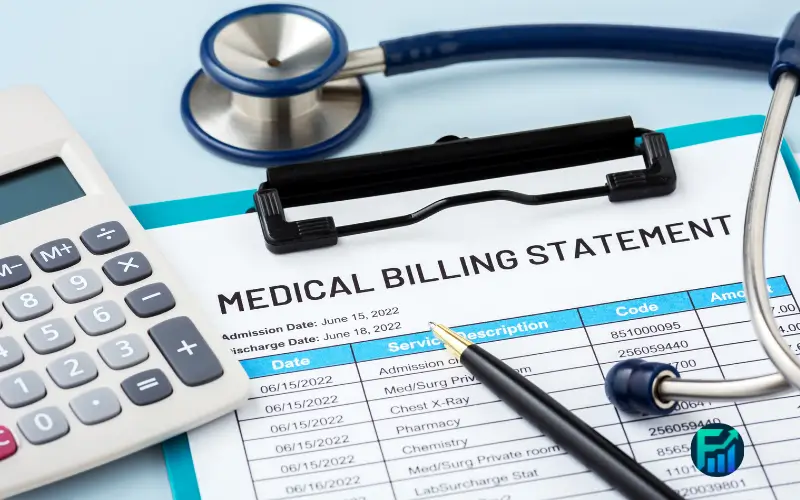
Help paying medical bills often begins with one simple decision: do not panic and do not ignore the hospital’s letters.
A large hospital bill can make you feel trapped, especially when rent, food, transportation, and childcare already consume your income. However, the first amount shown is not always the final amount you must pay.
Before using savings or borrowing money, check the bill, contact the hospital, and explore every assistance option. Keep reading to understand how to approach each step without making the debt harder to manage.
This article is for educational purposes only and does not constitute financial or legal advice.
Start by protecting your money and your options
Your first response can affect what happens next. Acting quickly does not mean paying immediately, but it does mean opening every letter and asking questions.
Contact the hospital’s billing department before the account reaches collections. Tell the representative that you are reviewing the charges and need information about hospital financial assistance.
Avoid moving the balance to a regular credit card
Do not place the bill on a regular credit card unless you can pay the card balance in full. Credit card interest can turn a difficult hospital bill into a more expensive consumer debt.
Once the hospital has been paid by the card company, you may lose access to certain discounts or payment arrangements. The balance may also appear to future lenders as ordinary credit card debt.
Ask the hospital to keep the account in house while you apply for assistance or dispute charges. Request written confirmation whenever the billing office agrees to pause collection activity.
Keep a simple record of every conversation
Write down the date, department, representative’s name, and what was promised. Save bills, insurance notices, receipts, application forms, and income documents in one folder.
If you speak by phone, follow up through the hospital’s message system or by letter. A short written record can prevent confusion if another employee handles the account later.
Review every charge before agreeing to pay
A summary statement rarely provides enough information to verify a hospital bill. You need to see each service, supply, medication, and procedure separately.
Request an itemized bill from the provider. This document may use medical codes, but you can still identify dates, repeated entries, and services you never received.
Compare the itemized bill with your insurance documents
If you have insurance, compare the bill with your Explanation of Benefits, commonly called an EOB. The EOB explains what the provider charged, what the insurer allowed, what insurance paid, and what you may owe.
An EOB is not a bill. If the amount on the EOB differs from the hospital statement, ask both the insurer and provider to explain the difference.
During your review, look for the following common problems:
- Duplicate charges for the same service or medication
- Tests, supplies, or procedures you did not receive
- Incorrect dates, insurance details, or patient information
- Charges that insurance should have processed or covered
- Services billed under a more expensive code than expected
- Separate provider charges that do not match your records
Billing a more complex or costly service than the one actually provided is sometimes called upcoding. A higher code is not automatically fraudulent because medical situations can be complicated.
Ask the billing department to explain the code and request a coding review. Do not accuse the employee of fraud without evidence. Focus on correcting the record and obtaining a revised statement.
Use the No Surprises Act when the bill qualifies
The federal No Surprises Act protects many insured patients from certain unexpected charges. It generally covers emergency services from outside your insurance network and some outside network providers working at an in network facility.
For covered services, you usually cannot be charged more than the applicable in network cost sharing amount. Air ambulance services receive certain protections, but ground ambulance bills are generally treated differently under federal rules.
A high deductible or a service excluded from your policy is not automatically a No Surprises Act violation. Contact your insurer and the federal No Surprises Help Desk if an unexpected outside network charge appears improper.
People who did not use insurance may have another protection. For scheduled care, they can request a good faith estimate and may qualify for a federal dispute process when the final bill is at least $400 above that estimate.
Apply for help paying medical bills through the hospital
Many patients qualify for medical debt relief without realizing it. Help paying medical bills may be available even if you have insurance, a job, or some household income.
Ask for the hospital’s Financial Assistance Policy and application. The program may be called charity care, financial aid, uncompensated care, or patient assistance.
Understand what nonprofit hospitals must provide
Tax exempt nonprofit hospitals must maintain a written Financial Assistance Policy for emergency and other medically necessary hospital care. The policy must explain who qualifies, how to apply, and whether assistance means free or discounted care.
This requirement does not mean every applicant receives free treatment. Each hospital sets income rules, documentation requirements, and discount levels within federal and state requirements.
The policy may compare household income with the federal poverty guidelines. Some hospitals also consider family size, major medical expenses, lack of insurance, or a recent loss of income.
Ask whether the hospital uses current income or your most recent tax return. If your income recently fell, provide recent pay stubs, an unemployment notice, or a written explanation of the change.
Financial assistance may not cover every bill from the visit. An emergency physician, radiologist, anesthesiologist, laboratory, or ambulance company may bill separately and follow another policy.
Request a list showing which providers participate in the hospital’s charity care program. Then contact each separate provider and ask about its own assistance options.
Apply even when the first answer is discouraging
Do not assume that a receptionist’s quick answer is a final decision. Ask for the written policy, application form, income limits, deadline, and appeal process.
If your request is denied, ask for the reason in writing. A missing pay stub or incorrect household size may be easier to fix than starting another negotiation.
Some states and counties provide broader charity care protections than federal rules require. A local patient advocate or legal aid organization can explain protections available where you live.
Handle public charge concerns carefully
Immigrant families may avoid charity care because they fear harming a future Green Card application. That fear deserves a precise answer, not a broad promise.
A discount granted through a hospital’s own Financial Assistance Policy is not the same as public cash assistance. Receiving hospital charity care does not automatically make someone a public charge.
However, immigration rules can change, and public charge analysis depends on the person, status, benefit, and application. Anyone with a pending immigration case should consult a qualified immigration attorney or accredited nonprofit representative before relying on a general statement.
Do not pay a hospital bill you cannot afford only because someone gave you an alarming immigration rumor. First identify the exact program providing the assistance and obtain advice about your circumstances.
Negotiate the balance after checking financial assistance
If you do not qualify for full charity care, negotiation may still reduce the bill. Complete the assistance application first because a negotiated discount may be smaller than the reduction available through the formal policy.
Learning how to negotiate medical bills is mainly about preparation. Know what you can afford and avoid agreeing to a payment that will cause missed rent, utility, food, or insurance payments.
Request an interest free payment plan
Ask whether the hospital offers an interest free plan directly through its billing department. Confirm that there are no setup fees, deferred interest, or financing charges.
Choose a monthly amount that fits during a difficult month, not only during a good month. A $250 payment may sound manageable today but become impossible after a car repair or reduced work hours.
Ask whether the account will remain with the hospital while you make payments. Get the monthly amount, due date, total balance, interest rate, and collection terms in writing.
If the hospital proposes medical financing, read the agreement carefully. Some products begin with a promotional rate and later charge substantial interest.
Offer a lump sum only when the money is truly available
A lump sum settlement means paying an agreed amount at once in exchange for resolving the remaining balance. Hospitals and collection agencies may accept less because they receive the money immediately.
There is no standard discount, and an aggressive offer may be rejected. Start with an amount you can pay without using rent money, retirement savings, or a high interest loan.
Never send the payment based only on a phone conversation. Obtain a written agreement stating the accepted amount and confirming how the remaining balance will be treated.
Ask whether cancellation of part of the debt could create tax consequences. Larger forgiven balances may require individual guidance from a tax professional.
Use price information as supporting evidence
Price comparison tools can give you a reference point when asking for a reduction. Healthcare Bluebook may be available through an employer or health plan, while FAIR Health offers consumer cost estimates in many areas.
Hospitals must also publish certain pricing information. Compare the itemized charge with local estimates, the hospital’s cash price, and the amount generally accepted from insurers.
An online estimate does not force the hospital to change its bill. Use it as calm supporting evidence when requesting the self pay rate, insured rate, or a reasonable discount.
Protect your credit while resolving the account
Medical debt follows special credit reporting practices, but those practices do not erase the balance. The provider or collector may still contact you and use collection methods allowed by law.
Help paying medical bills should include monitoring your credit reports. Check that the amount, provider, account status, and service date are accurate.
Understand the medical debt reporting protections
Unpaid medical collections generally receive a waiting period of about one year before appearing on nationwide credit reports. Medical collection balances below $500 are also generally excluded by the three nationwide credit bureaus.
Paid medical collections generally no longer appear on those nationwide reports. Still, an unpaid medical collection above $500 may appear after the waiting period and could affect some credit scoring decisions.
These reporting policies are not permission to ignore a bill. Credit reporting rules, scoring models, and state protections can change, while the underlying debt may remain collectible.
Dispute inaccurate information with both the credit bureau and the company reporting it. Keep copies of your itemized bill, insurance decisions, payment records, and financial assistance approval.
Respond carefully when a collector contacts you
Confirm the collector’s identity before sharing personal or banking information. Ask for written details showing the provider, original amount, current balance, and your rights to dispute the debt.
Do not assume every collection notice is accurate. The balance may contain an insurance error, a protected surprise charge, or an amount that should have received charity care.
Tell the collector in writing when a hospital assistance application or billing dispute is pending. If the account was transferred too early, ask the hospital to recall it from collections while the review continues.
Avoid decisions that put basic security at risk
A frightening bill can push people toward choices that create a larger financial emergency. Protect housing, food, utilities, transportation, insurance, and necessary medical care before committing to an unaffordable payment.
Medical debt relief should improve your position, not exchange one problem for a more dangerous debt. Pause before signing any agreement involving property or long term savings.
As you consider help paying medical bills, avoid these actions:
- Do not ignore hospital letters, deadlines, or court documents
- Do not charge the balance unless you can repay the card fully
- Do not withdraw retirement money without understanding taxes and penalties
- Do not use your home as collateral for a medical bill
- Do not accept a payment plan that disrupts basic household expenses
- Do not pay a collector before verifying the debt and agreement
If you receive court papers, do not miss the response deadline. Contact local legal aid because failing to respond can make defending your rights much harder.
Use trusted support when the process feels overwhelming
You do not have to understand every billing code or collection rule alone. Several nonprofit and public resources can help you organize the problem and decide whom to contact.
The National Foundation for Credit Counseling can connect consumers with nonprofit credit counselors. A counselor may help review the household budget and discuss medical debt alongside other obligations.
Patient Advocate Foundation offers support for some patients facing serious or chronic medical conditions. Dollar For helps patients identify and apply for hospital charity care when available.
Local legal aid organizations may assist with collection lawsuits, hospital financial assistance disputes, or improper billing. Community health centers and hospital patient advocates may also help patients complete applications.
For unexpected outside network bills, the federal No Surprises Help Desk can explain the complaint process. Immigration legal aid should be used for personal questions about public charge or Green Card applications.
The most productive first step is usually small. Request the itemized bill, ask for the Financial Assistance Policy, and record the name of the person handling your account.
A hospital statement does not measure your effort, responsibility, or worth. Stay active, ask for written answers, and keep looking for help paying medical bills until every available option has been reviewed.
Educational information, not financial advice.