
Tenant rights during eviction: a practical guide to staying in your home
Practical Steps To Protect Your Home
advertisements
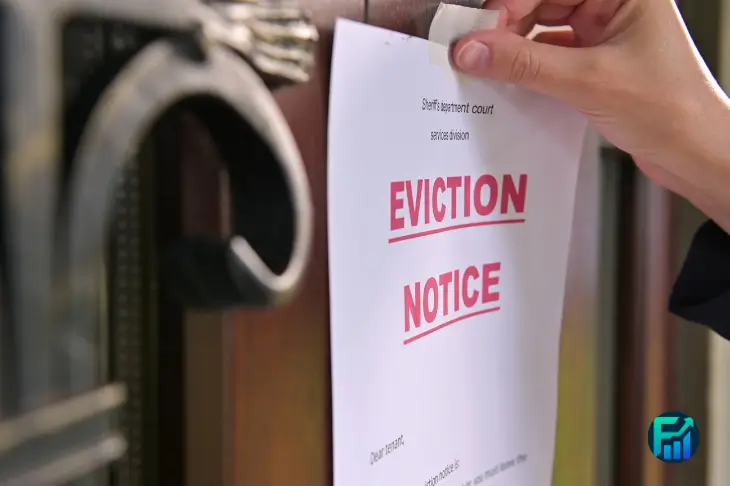
Tenant rights during eviction can protect you from losing your home without warning or due process. Many renters feel panic after getting a notice from a landlord, especially when money is already tight. But eviction is a legal process, not an immediate removal from your apartment or house. Continue reading to understand what steps you can take, where to find help, and how to protect yourself before the situation gets worse.
For many families, one missed paycheck can create serious housing problems. Rising grocery bills, transportation costs, childcare, and medical expenses make rent harder to manage. That pressure can quickly lead to fear and confusion after an eviction notice arrives.
The good news is that Tenant rights during eviction exist in every state, even though the rules may differ. Many tenants still have time to respond, apply for help, negotiate with landlords, or defend themselves in court.
Why Do Tenant Rights During Eviction Matter?
Many renters believe a landlord can force them out immediately after late rent. That is usually not true. In most situations, landlords must follow legal procedures before removing a tenant from the property.
Understanding Tenant rights during eviction helps you avoid panic decisions. It also gives you more time to protect your family, gather documents, and look for support programs.
A landlord typically starts the process with a written notice. This is often called an eviction notice period. The notice explains what problem needs to be fixed. It may involve unpaid rent, lease violations, or another issue connected to the rental agreement.
The eviction notice period is important because it gives tenants time to act. In some cases, paying overdue rent during this period can stop the eviction process completely.
Many states also ban what are known as self help evictions. This means landlords usually cannot:
- Change locks without a court order
- Shut off electricity or water
- Remove your belongings
- Threaten or intimidate tenants
- Block access to the property
If any of these actions happen, you may have legal claims against the landlord. Tenant rights during eviction include protection from these illegal tactics.
Another important point is habitability. A rental unit must usually meet basic living standards. Serious plumbing problems, mold, broken heating, pest infestations, or unsafe conditions may strengthen your defense in some eviction cases.
Keep records of all problems inside the home. Save photos, text messages, emails, and repair requests. These details can become useful later if the dispute reaches court.
How Can You Respond Quickly After A Notice?
The first few days after receiving a notice matter a lot. Many tenants ignore paperwork because they feel overwhelmed or embarrassed. That delay often makes the situation harder.
Tenant rights during eviction work best when tenants respond early. Even simple actions can create more options and reduce stress.
Start by reading every document carefully. Look for deadlines, payment amounts, and court information. Some notices only ask tenants to correct a problem within a certain number of days.
Then organize your paperwork. Gather rent receipts, bank statements, lease agreements, maintenance requests, and communication with the landlord.
If unpaid rent caused the problem, contact the landlord as soon as possible. Some property owners prefer payment plans instead of expensive court proceedings. A calm and respectful conversation may help both sides.
When negotiating, be realistic about your finances. Do not promise payments you cannot make. A smaller payment plan that you can actually follow is usually better.
Many renters also qualify for emergency housing assistance. Programs connected to Rent payment protections may help cover past due rent or utilities.
These programs often support people facing:
- Job loss or reduced hours
- Medical emergencies
- Family crises
- Temporary income gaps
- Unexpected major expenses
Search for local ERAP programs, nonprofit organizations, or housing agencies in your area. ERAP stands for Emergency Rental Assistance Program. These programs may pay landlords directly to prevent eviction.
Legal aid groups can also help explain Tenant rights during eviction in simple language. Many provide free services for low income tenants. Some lawyers can help you file responses, prepare for hearings, or negotiate with landlords.
If you receive court papers, do not ignore them. Missing a hearing can lead to a default judgment against you. That makes it easier for the landlord to continue the eviction process.
Showing up in court may give you more time, better payment terms, or even dismissal in some situations.
How Can You Stop Problems From Getting Worse?
Stress often causes people to freeze or avoid difficult conversations. But silence usually benefits the eviction process, not the tenant. Small actions taken early can protect your housing situation.
Learning How to stop an eviction often starts with communication and documentation. Even if your finances are difficult, staying organized improves your chances.
One common mistake is relying only on verbal agreements. If a landlord agrees to accept partial rent or extra time, ask for that agreement in writing. Text messages or emails are better than verbal promises.
Another mistake is leaving the property too soon. Some tenants move out immediately after getting a notice because they assume removal is unavoidable. But Tenant rights during eviction may still give you legal protections and extra time.
Avoid borrowing money from high interest lenders just to cover rent quickly. Payday loans and similar products can create larger financial problems later. A short term solution can turn into months of debt.
Focus instead on stable solutions. This may include local charities, temporary side work, utility assistance, food support, or payment negotiations with other creditors.
Budget adjustments can also create breathing room during emergencies. Cutting non essential expenses for a few weeks may help protect your housing while you seek assistance.
Families with children often face extra pressure during eviction situations. School transportation, work schedules, and childcare can become unstable fast. That is why early action matters so much.
Tenant rights during eviction may also protect tenants from retaliation. In many states, landlords cannot legally evict tenants simply because they reported unsafe housing conditions or requested repairs.
If discrimination is involved, additional protections may apply. Federal and state housing laws often protect tenants from discrimination based on race, disability, family status, religion, or national origin.
Keep communication professional, even during conflict. Angry messages or threats can hurt your case later.
How Can Legal Aid For Tenants Change The Outcome?
Many tenants believe lawyers are only for wealthy people. In reality, Legal aid for tenants exists specifically to help renters with limited income.
Free legal support can make a major difference during eviction proceedings. Some tenants avoid court because they feel intimidated or confused about legal language. Legal aid groups help simplify the process.
Attorneys and housing advocates may review notices for errors, explain local laws, and identify defenses connected to Tenant rights during eviction.
In some cases, eviction notices contain mistakes. Incorrect dates, missing information, or improper delivery methods may affect the landlord’s case.
Legal aid professionals may also help tenants request extra time from the court. This can help families avoid sudden homelessness while searching for another housing option.
Another benefit involves mediation. Some courts encourage landlords and tenants to negotiate agreements before final judgments happen.
Mediation may lead to:
Reduced payment plans, delayed move out dates, waived fees, or opportunities to stay in the property after catching up on rent.
For tenants dealing with unsafe living conditions, lawyers may raise habitability defenses. If serious repair issues existed for a long time, courts sometimes consider those conditions during eviction disputes.
Tenant rights during eviction become much easier to understand when someone explains the process step by step. That guidance can reduce fear and improve decision making.
Community organizations may also connect renters with food banks, utility assistance, counseling services, and emergency shelter resources if needed.
How Can You Protect Yourself Moving Forward?
Even after resolving an eviction issue, many renters remain financially vulnerable. One emergency can easily create another crisis. Building stability takes time, especially for households already living paycheck to paycheck.
Tenant rights during eviction are important, but prevention is still the safest path when possible.
Start by reviewing your monthly budget honestly. Look for recurring expenses that no longer fit your income. Small adjustments can help create a limited emergency fund over time.
If your income changes often, prioritize housing costs first whenever possible. Late fees, court costs, and moving expenses can become more expensive than expected.
Consider speaking with nonprofit credit counselors if debt is creating constant pressure. Many organizations offer free or low cost budgeting help.
It also helps to maintain written records throughout your tenancy. Save lease agreements, rent receipts, repair requests, and payment confirmations in one folder.
Strong documentation protects tenants during disputes and helps clarify misunderstandings before they grow.
If you anticipate trouble paying rent in the future, communicate early. Landlords are often more flexible before accounts become severely overdue.
Tenant rights during eviction are strongest when tenants stay informed, organized, and proactive. Waiting until the final court stage usually limits available options.
Housing insecurity can feel isolating, but many people across the country face similar challenges every month. Assistance programs, legal aid groups, and community organizations exist because these situations are common and difficult.
Take each step one at a time. Read notices carefully, document everything, seek support quickly, and ask questions when something feels unclear. Tenant rights during eviction can provide valuable protections, especially when you act early and stay informed throughout the process.
Educational information — not financial advice.