3 apps to help you save money on prescription drugs
Ways to save money on prescription drugs
advertisements
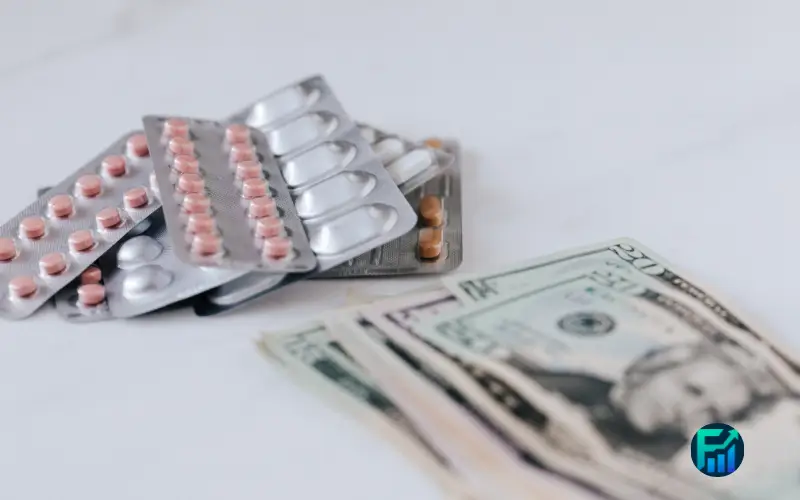
Save money on prescription drugs is a real concern for many Americans who need medication but also have rent, groceries, gas, child care, and bills to manage every month. In the United States, the price of the same prescription can change from one pharmacy to another, even when the stores are close to each other.
That difference can feel confusing. A person may assume that a prescription has one fixed price, but pharmacy pricing rarely works that way. Cash prices, insurance prices, coupon prices, and pharmacy contracts can all create different final costs.
This is where prescription discount apps can help. They allow people to compare prices before paying at the counter. They are not a perfect solution, and they do not replace health insurance. Still, they can be useful tools for people who want to make a more informed choice.
This article looks at three well known apps: GoodRx, SingleCare, and ScriptSave WellRx. The goal is not to promote one over another. The goal is to explain how they work, where they may help, and what limits users should understand before relying on them.
Educational note: This content is for general education only. It is not medical, legal, insurance, or financial advice. Always speak with a licensed healthcare professional before changing, stopping, or replacing any medication.
Why do prescription prices change from one pharmacy to another?
Prescription prices in the United States are shaped by several layers of the healthcare system. The final amount a person sees at the counter may depend on the pharmacy, the medication, the insurance plan, the discount program, and the type of prescription being filled.
This is why one pharmacy may show a higher cash price while another nearby pharmacy offers a lower coupon price. For someone trying to save money on prescription drugs, understanding this basic structure can reduce frustration.
Why is the cash price not always the same?
The cash price is the amount someone may pay without using insurance. This price is not always standardized across pharmacies. Each pharmacy may have different agreements, operating costs, suppliers, and pricing methods.
A person without insurance may see one price at a large chain pharmacy and another price at a grocery store pharmacy. A person with insurance may see a separate copay, which is the fixed or shared amount required by the health plan.
Because of this, the lowest price is not always obvious. Checking before paying can make a practical difference, especially for people who fill prescriptions regularly.
Why do generic drugs matter?
Generic medications can be an important part of lowering costs. The FDA explains that approved generic drugs must meet the same standards for quality, strength, safety, and effectiveness as brand name drugs.
That does not mean every person should switch without asking a doctor or pharmacist. Some medications require careful review. But when a generic option is appropriate, it may help a patient save money on prescription drugs without changing the medical purpose of the treatment.
For a household with a tight budget, even a modest price difference can matter. Money saved on one prescription may help cover transportation, food, or another bill.
How do apps help people save money on prescription drugs?
Prescription discount apps work by showing estimated prices at participating pharmacies. The user searches for a medication, chooses dosage and quantity, then compares available prices nearby.
The app usually provides a coupon, card, or digital code. The customer shows it to the pharmacy when filling the prescription. The pharmacy then processes the transaction using that discount information instead of regular cash pricing.
How are these apps different from insurance?
These apps are not health insurance. They do not provide medical coverage, doctor visits, hospital benefits, or protection from major healthcare costs.
They are discount tools. In many cases, a person pays the coupon price directly at the pharmacy. That price may be lower than the cash price, but it is not the same as using a full health insurance benefit.
This distinction is important for people with insurance. If a person uses a discount coupon instead of insurance, the amount paid commonly does not count toward the insurance deductible. A deductible is the amount a person must pay before some insurance benefits begin to cover more costs.
How should people compare coupon prices with insurance prices?
A careful shopper can ask the pharmacy to compare the insurance price and the coupon price. Sometimes insurance is cheaper. Sometimes the coupon is cheaper.
There is no universal answer. The better option can change depending on the medication, pharmacy, insurance plan, and location.
People who are uninsured may use these apps to compare cash discount options. People who are underinsured may use them when a medication is not well covered by their plan. Medicare and Medicaid beneficiaries should be especially careful and ask questions because program rules can affect how discount tools may be used.
How does GoodRx help with prescription savings?
GoodRx is one of the most recognized prescription discount platforms in the United States. It allows users to search for medications and compare prices at participating pharmacies.
The platform is commonly used by people who want to save money on prescription drugs without calling several pharmacies one by one. Its main value is price visibility.
How does GoodRx work for everyday users?
A user enters the name of a medication, dosage, quantity, and location. GoodRx then shows estimated prices from participating pharmacies. The user can choose a coupon and present it at the pharmacy.
This can be useful for someone managing a monthly medication while living on a limited income. Instead of guessing, the person can check prices before leaving home.
For example, a parent who needs to pick up a prescription after work may compare nearby pharmacies first. If one location offers a meaningfully lower price, that information can help them plan the trip and avoid an unexpected expense.
How is GoodRx useful and limited?
GoodRx is useful because it is widely recognized and simple to use. It can help users compare prices quickly and may show lower prices than a pharmacy’s regular cash price.
Its limitations are also important. Prices can change. A displayed price may not always match the final price at the pharmacy. Some medications may not have major discounts. Some insurance situations may make a coupon less helpful.
GoodRx may be a practical starting point for people who want to save money on prescription drugs, but it should not be treated as a guaranteed lowest price every time.
How does SingleCare help with prescription savings?
SingleCare is another prescription discount service that helps users search for lower medication prices. Like other platforms, it works with participating pharmacies and provides coupon based pricing.
The platform is designed for people who want a simple way to compare prices before filling a prescription. Its value comes from convenience, access, and transparency.
How does SingleCare work for common prescriptions?
A user searches for a medication, reviews pharmacy prices, and uses a discount card or coupon when paying. This can be done through a phone or printed information, depending on the user’s preference.
For someone with limited time, this matters. A worker with a tight schedule may not be able to visit three pharmacies to ask about prices. A comparison app can reduce that burden.
SingleCare can also be helpful when a person receives a new prescription and wants to understand the price range before going to the pharmacy.
How is SingleCare useful and limited?
SingleCare’s strengths include simple access, broad pharmacy participation, and free basic use for consumers. It gives users another way to compare prices and avoid relying on only one source.
Its limits are similar to other discount tools. Prices may fluctuate. Not every pharmacy will offer the same discount. A coupon may not beat the insurance price.
For people trying to save money on prescription drugs, SingleCare may be worth checking alongside other tools. The key is comparison, not blind loyalty to one app.
How does ScriptSave WellRx help with prescription savings?
ScriptSave WellRx is another established prescription savings platform. It allows users to search medication prices and access discounts at participating pharmacies.
The service is part of the same general category as GoodRx and SingleCare. It helps users see potential prices before they reach the pharmacy counter.
How does ScriptSave WellRx work for budget planning?
A user searches for a medication, enters location details, and reviews available pharmacy prices. The user can then present the discount information when filling the prescription.
This can be helpful for people who plan expenses carefully. Someone living paycheck to paycheck may need to know whether a prescription will cost a small amount or a much larger amount before making other spending decisions.
ScriptSave WellRx can also help users compare options when they are not satisfied with the first price quoted by a pharmacy.
How is ScriptSave WellRx useful and limited?
ScriptSave WellRx offers another comparison point in a market where prices can vary. Its usefulness depends on the medication, location, and pharmacy network.
The limitations are familiar. Prices may not be final until processed at the pharmacy. Discounts may vary. Coupon payments commonly do not count toward a health insurance deductible.
For someone trying to save money on prescription drugs, ScriptSave WellRx may be most useful when compared with other platforms and insurance pricing.
How do GoodRx, SingleCare, and WellRx compare?
These three apps share the same broad purpose. They help consumers compare prescription prices and access discounts at participating pharmacies.
The main differences often appear in the specific medication, the local pharmacy network, and the price shown at the time of search. The table below focuses on stable features rather than temporary offers.
| Comparison point | GoodRx | SingleCare | ScriptSave WellRx |
|---|---|---|---|
| Basic consumer access | Free basic search and coupons | Free basic search and coupons | Free basic search and coupons |
| Main function | Prescription price comparison | Prescription price comparison | Prescription price comparison |
| Pharmacy participation | Broad national network | Broad national network | Broad national network |
| Insurance replacement | No | No | No |
| Price stability | Prices may change | Prices may change | Prices may change |
| Deductible impact | Coupon payments commonly may not count | Coupon payments commonly may not count | Coupon payments commonly may not count |
| Best use case | Checking a widely recognized pricing source | Comparing another discount option | Adding another price comparison point |
The practical takeaway is simple. A consumer may benefit from checking more than one app before paying. The lowest price on one medication may not come from the same app every time.
How can people use these apps without common mistakes?
Discount apps are useful, but they work best when users understand their limits. The most common mistake is assuming the displayed price is guaranteed in every situation.
A better approach is to treat the app price as a strong estimate that should be confirmed at the pharmacy before payment.
How can users avoid surprises at the counter?
Before paying, users can ask the pharmacist to process the coupon and confirm the final price. If the price is different from what the app showed, the user can ask whether the medication details match the prescription.
Dosage, quantity, form, and pharmacy location can all affect the price. A small difference in the prescription details may lead to a different cost.
Users should also compare the coupon price with the insurance price when they have insurance. The cheaper option may vary.
How can people protect their broader healthcare budget?
A lower coupon price may help today, but the deductible issue matters. If a person is trying to meet a deductible, using a coupon outside insurance may not support that goal.
This does not mean coupons are bad. It means the choice should be intentional.
For a one time prescription, a coupon price may be practical. For ongoing treatment, a patient may want to compare the short term savings with the long term insurance impact.
How can prescription savings fit into a tight household budget?
Medication costs are only one part of a household budget. For many families, prescription expenses compete with food, rent, car payments, public transportation, school costs, and utility bills.
That is why saving even a modest amount can matter. It may reduce stress and make the month easier to manage.
How can someone make this a monthly habit?
A simple habit can help. Before filling a prescription, check the insurance price, then compare prices through more than one discount app.
Also ask the prescriber whether a generic version is appropriate. Ask the pharmacist whether the quantity or form affects the price. Sometimes small details change the final cost.
People who have ongoing financial hardship may also ask about patient assistance programs, community clinics, public health resources, or nonprofit support. Discount apps can help, but they are not the only option.
How should people think about realistic savings?
It is better to avoid expecting dramatic savings every time. Some prescriptions may show a meaningful difference. Others may not.
The responsible way to use these tools is to compare, verify, and decide. A discount app should support better choices, not create unrealistic expectations.
For many users, the main benefit is control. They can see options before paying, instead of feeling trapped by the first price they hear.
How should someone choose the right prescription app?
The right app is the one that gives the best verified price for the specific medication at a convenient pharmacy. That answer can change from one prescription to another.
GoodRx may show a strong price for one medication. SingleCare may show a better option for another. ScriptSave WellRx may be useful as an additional comparison source.
How can users make the final choice?
Start with the medication details exactly as prescribed. Compare the same dosage, quantity, and form across platforms. Then look at pharmacies that are realistic to visit.
A lower price across town may not help if transportation costs erase the savings. A nearby pharmacy with a slightly higher price may be the better practical choice for someone with limited time or gas money.
For people with insurance, ask whether using the coupon will affect deductible progress. This is especially important for people who expect more medical costs during the plan year.
The most balanced approach is to use these apps as comparison tools, not as medical advice or insurance substitutes. They can help users ask better questions and make more informed choices.
How can these tools support better everyday decisions?
Prescription discount apps cannot fix every healthcare cost problem. They cannot replace a doctor, pharmacist, insurance plan, or public assistance program.
Still, they can help make pharmacy pricing more visible. That visibility matters for people who are trying to manage medication costs with limited income.
GoodRx, SingleCare, and ScriptSave WellRx each offer a way to compare prices before paying. Their value depends on the medication, the pharmacy, and the person’s insurance situation.
The strongest habit is comparison. Check the insurance price when available. Check more than one discount app. Ask about generic options when appropriate. Confirm the final price before paying.
For people trying to save money on prescription drugs, these steps can make the process less confusing and more manageable. The savings may not be the same every time, but informed comparison can help households make careful choices with the money they have.
Educational information, not financial advice.