Teaching financial education to children and teens: a guide for the future
The essential role of financial education for children and teens
advertisements

Teaching financial education to children and teens is the best way to prepare them for the future.
Many adults today face financial difficulties precisely because they did not have access to this information when they were younger.
Learning about personal finance from an early age allows children and teens to make better financial decisions as adults.
It’s also important to remember that financial education promotes autonomy and responsibility.
When we understand the value of money, our choices and decisions are always aimed at well-being, without unnecessary risks.
But what does this well-being involve, and what precautions can be taken to avoid future problems?
That’s what we will show you today! Continue reading to discover the best ways to teach financial education to children and teens.
The Importance of Financial Education for Children and Teens
Learn where to start and what can be done to incorporate financial education into your family’s daily life.
Life Skills
It’s crucial for children and teens to develop life skills, which help them manage money effectively in both their personal and professional lives.
A simple example of developing this skill in a child is to offer an allowance instead of gifts. This way, you teach them that to obtain the desired toy, they will need to save and plan to buy it.
When young people learn how to manage their financial resources from an early age, they become capable of facing complex situations with more ease, thanks to their financial education.
Preventing Future Problems
You know when you receive a tip from a friend that helps you avoid a problem? That’s how financial education can assist young people in avoiding future financial issues.
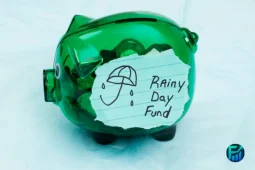
In an emergency, a reserve fund could be enough to help a future adult out of a complicated financial situation.
A great way to prepare them for this is by teaching short, medium, and long-term planning, which will naturally become a habit for investments in education or retirement, for example.
Tools and Resources for Financial Education
Several tools can make financial education more fun and engaging, especially for children. Here are some options:
Games and Activities
You probably played Monopoly as a child and remember the feeling of power when collecting rent or buying properties on the board.
In a single game like Monopoly, you can learn about investments, money management, and negotiation strategies.
But it’s not the only game that can help you in this journey of financially educating your children. There are other options like The Game of Life, among others.
Books and Educational Materials
The magical world of stories, legends, and fables can also be a great ally in children’s financial education. One great example is American folklore.
There are also educational books you can use to apply teaching strategies, such as:
- Money Ninja by Mary Nhin
- The Berenstain Bears’ Trouble with Money by Stan and Jan Berenstain
- Rock, Brock, and the Savings Shock by Sheila Bair
Basic Concepts of Financial Education
Teaching some basic concepts is essential to prepare children and teens for financial stability and security.
Savings
Introducing young people to how savings work is a way to ensure they understand the necessity of saving and differentiating between real needs and mere desires, which need careful planning.
Opening a savings account for your child is a practical and educational experience. As the balance grows, you can start teaching about interest, returns, and more.
Budgeting
One of the most important skills lacking in many adults’ lives is budgeting, and it should definitely be on your list of teachings for children and teens.
The lack of a budget compromises any effort to save and plan correctly. To start teaching, there’s a simple example you can reproduce.
Give your child an amount, let’s say $50 per month, and ask them to identify all their expenses on a list, whether for food, entertainment, or even a new shirt.
This experience will easily become a healthy habit, positively influencing the organization they will need in the future.
Credit and Debt
Credit lines can either elevate a person or bring them down if not used correctly. Therefore, it’s one of the teachings that cannot be overlooked.
Once a young person understands how to use credit safely, they avoid unnecessary debt, maintaining stable financial health.
Conclusion
I believe that after reading this article, it is clear that financial education is a necessary life skill.
In a country where thousands of Americans are in debt and thus end up putting their dreams aside, it is crucial to encourage and empower our children and teens to handle any financial obstacle.
Editorial Notice: All content published on this website is completely independent and aims to provide clear, useful, and up-to-date information about personal finance. We have no ties to banks, financial institutions or credit card companies. We are not affiliates and do not receive commissions or payments to promote products or services. Our website is monetized exclusively through the advertisements displayed on our pages.