
Financial emergencies: don’t let them hurt your budget
Discover how to manage unexpected expenses and stay financially stable
advertisements
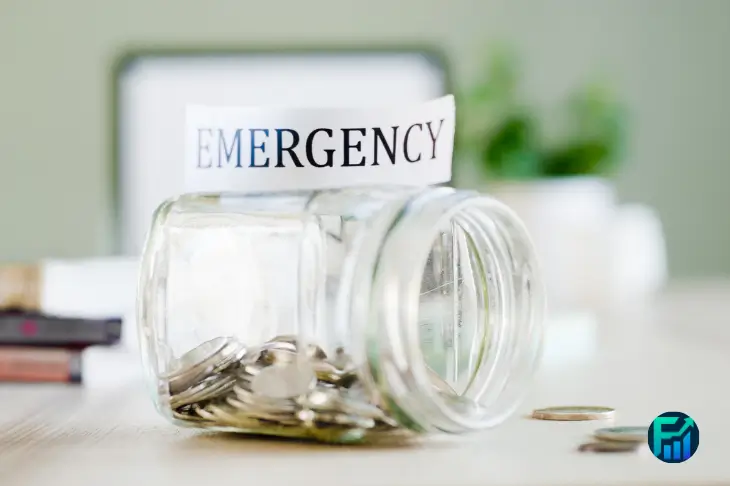
Financial emergencies can strike at any time, often when we least expect them.
Whether it’s a sudden medical bill, an urgent home repair, or an unexpected job loss, these situations can put significant stress on your finances.
Without proper planning, a financial emergency can quickly lead to debt or disrupt your long-term objectives.
In this guide, we’ll explore the appropriate strategies so you can handle these challenges while keeping your budget intact. Keep reading!
Common types of financial emergencies
Emergencies come in different forms, and knowing what to expect can help you prepare better.
While some unexpected expenses are minor and manageable, others require immediate attention and considerable financial resources.
Medical expenses
A sudden illness, injury, or emergency medical procedure can be costly, even for those with insurance.
Out-of-pocket expenses, medication, and follow-up treatments can add up quickly, making medical emergencies one of the most common financial crises people face.
Job loss or pay cuts
Losing a job or experiencing a reduction in income can create financial instability, especially if you don’t have savings to fall back on.
Without a steady income, covering essential expenses like rent, utilities, and groceries can become challenging.
Car repairs
For many people, a car is essential for commuting to work, running errands, and daily life.
A sudden breakdown or accident can lead to expensive repairs and, in some cases, even the need for a new vehicle.
Home repairs
From a leaking roof to a broken furnace, unexpected home repairs can be costly and often can’t be postponed.
Family emergencies
Unplanned travel expenses, legal issues, or providing financial assistance to a family member in crisis can put a strain on your budget.
These situations often require immediate financial support, making them difficult to manage without savings.
How to prepare for financial emergencies
The most recommended way to handle financial emergencies is to plan ahead.
Indeed, you can’t predict every crisis, but taking proactive steps can help minimize the financial impact when they occur.
Build an emergency fund
An emergency fund acts as a financial safety net for unexpected situations.
It’s important to save at least three to six months’ worth of essential expenses in a separate, easily accessible account.
Budget for unexpected costs
Including a category for emergency expenses in your budget can help you manage sudden financial needs without disrupting your overall plan.
Setting aside even a small amount each month can make a difference over time.
Have the right insurance
Health insurance, car insurance, homeowner’s insurance, and disability coverage can protect you from major financial losses.
Review your policies regularly to ensure that you have appropriate coverage for potential emergencies.
Diversify income sources
Relying on a single source of income can be risky, particularly during economic downturns.
Having multiple income streams, such as freelance work, investments, or a side business, can provide additional financial stability.
Access emergency financial help
Familiarize yourself with available resources, such as government assistance programs, community support services, and employer benefits.
Knowing where to turn for help can reduce stress when an emergency arises.
How to handle a financial emergency?
If you find yourself facing an urgent financial emergency, it’s important to take a strategic approach to avoid unnecessary debt and financial strain.
Assess the situation
Before making any financial decisions, evaluate the urgency of the situation.
Determine whether the expense is immediate or if you have time to plan for it.
Prioritizing your needs will help you manage the emergency more effectively.
Use emergency savings wisely
If you have an emergency fund, use it for its intended purpose.
Withdraw only the amount needed to cover the expense, and create a plan to replenish the fund once your financial situation stabilizes.
Cut non-essential expenses
Reducing discretionary spending, such as dining out, subscriptions, or entertainment, can free up extra money to cover emergency costs.
Temporary lifestyle adjustments can help you overcome financial difficulties without taking on debt.
Negotiate bills and payments
Many service providers offer payment plans or discounts for those facing financial hardships.
Contact them to discuss your options so you can manage your payments more effectively.
Explore low-interest financial options
If borrowing money is unavoidable, consider low-interest alternatives, such as personal loans, credit unions, or borrowing from family and friends.
Avoid high-interest credit cards and payday loans, as they can lead to long-term financial struggles.
Conclusion
Financial emergencies are inevitable, but they don’t have to derail your budget or financial goals.
You can overcome them with confidence by preparing in advance, managing expenses wisely, and making informed financial decisions.
Editorial Notice: All content published on this website is completely independent and aims to provide clear, useful, and up-to-date information about personal finance. We have no ties to banks, financial institutions or credit card companies. We are not affiliates and do not receive commissions or payments to promote products or services. Our website is monetized exclusively through the advertisements displayed on our pages.