
Credit card statement: how to know when your bill is due
Learn to save money and skip the fees with smarter timing
advertisements
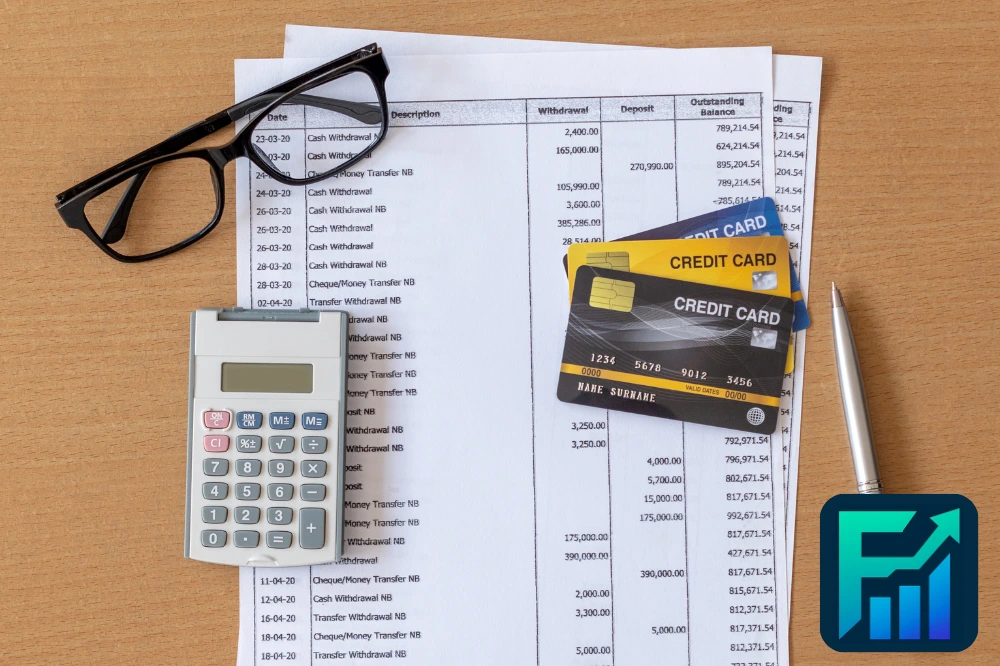
Credit Card Statement dates play a crucial role in how—and when—you use your card. Timing your credit card purchases can help you take advantage of grace periods, avoid unnecessary fees, and stay in control of your finances.
But to do that effectively, you need to understand two key moments: when your statement closes and when your bill is actually due.
Many people miss out on the benefits of managing their billing cycle—leading to surprise interest charges or even avoidable debt.
Knowing these dates can also help you plan big purchases, budget more accurately, and avoid late payment penalties.
In this guide, we’ll break down how your credit card statement works and why knowing these dates matters.
What is a credit card statement?
Your credit card statement is a monthly summary of your account activity during a specific billing period.
It shows everything from your purchases and payments to interest charges and any fees. You’ll also see your total balance, minimum payment due, and your due date.
The statement’s closing date marks the end of the current cycle. Anything you buy after that shows up on the next statement.
How credit card statements work
Every credit card has a billing cycle—usually around 30 days. At the end of that cycle, your statement is issued showing how much you owe.
From there, you get a grace period—typically 21 days—to pay your bill.
If you pay the full amount before the due date, you won’t be charged interest. But if you only pay the minimum, the rest will start accumulating interest, which can add up fast.
How to find your credit card statement closing date
Knowing when your billing cycle ends can help you plan your purchases more strategically.
Check with your credit card provider
Each provider sets its own billing rules. Some even let you choose your due date to better match your pay schedule.
Check your bank’s app, website, or contact their support team to understand your billing dates.
Look at your statement
Whether it’s mailed or online, your statement clearly shows the closing date and due date. If you use online banking, you’ll usually find this info in your dashboard or statement history.
Why the closing date matters
Tracking your statement closing date isn’t just for staying organized—it can help you spend smarter.
Helps you avoid unnecessary debt
Buying something big right before the cycle closes gives you less time to pay it off. That could mean more pressure on your budget—or interest charges.
By waiting until the next cycle begins, you gain more time to repay without extra costs.
Avoids interest and late fees
Knowing your grace period allows you to plan and pay strategically. If you pay in full before the due date, you avoid interest entirely.
But missing the deadline can trigger late fees and interest. So, knowing your dates really pays off.
What’s the best day to use your credit card?
The smartest time to use your card is usually right after your statement closes.
Why? Because those purchases go on your next statement, giving you the longest time to pay them off interest-free—as long as you pay the full amount by the next due date.
This trick helps you stretch your cash flow without falling into debt.
Smart spending starts with the right timing
Understanding your credit card statement puts you in control. It helps you make better purchase decisions, avoid fees, and manage your budget with confidence.
But don’t forget—this strategy only works if you spend responsibly and pay your balance on time.