
Debit or credit: How to choose the best way to pay on a tight budget
A practical debit or credit plan for tighter budgets
advertisements
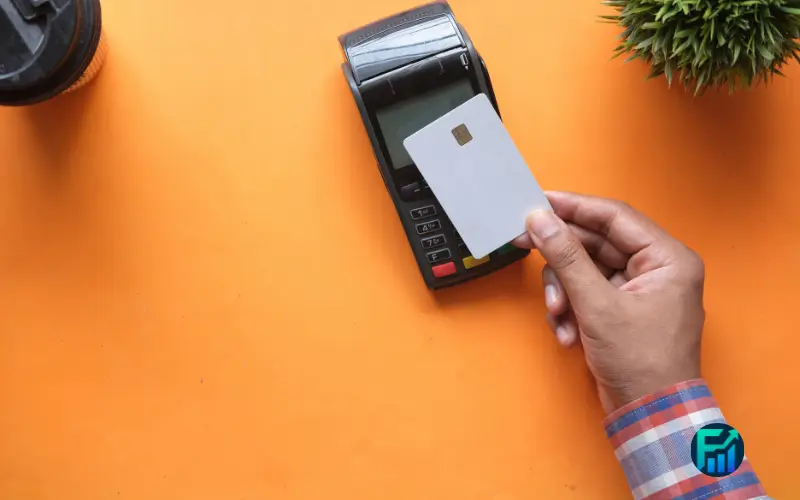
The debit or credit goal is to give each payment method a clear job. Keep reading to understand where each one can help, and where it can create avoidable costs.
How does debit or credit affect a tight budget?
The debit or credit decision starts with a practical question. Do you need stronger spending control today, or payment protection and credit history over time?
Debit uses money already in a chequing account. Credit uses borrowed money that must be repaid under the card agreement.
What does a chequing account mean?
A chequing account is the everyday bank account used for purchases, bill payments, withdrawals and deposits. Interac Debit normally removes money from this account immediately.
A credit card places the purchase on a statement. The money leaves your chequing account later, when you make the card payment.
Why is neither option automatically better?
Debit can stop spending when the balance runs out. Credit can separate a disputed purchase from the cash needed for bills and may help establish Canadian credit history.
The better debit or credit choice depends on the purchase, account fees and whether the card balance is already covered.
When does Interac Debit help and when can it cost more?
Interac Debit can make spending feel immediate. Seeing the account balance fall after groceries or transit may make the remaining budget easier to understand.
However, debit is not always free. Some costs sit inside the rules of the chequing account.
How can debit support spending control?
Debit can work well for restaurant meals, convenience purchases and other flexible spending. It creates a clear limit based on money already available.
For unplanned purchases, the debit or credit decision often favours debit. It avoids creating a balance that may remain after the purchase is forgotten.
How can transaction limits create extra fees?
Some banking packages include a set number of monthly transactions. Debit purchases, bill payments, withdrawals and preauthorized debits may count toward that allowance, depending on the account.
Transactions above the package limit may trigger extra charges. Federal low cost and no cost account commitments include minimum transaction features, but other packages can have different limits and prices.
Review the account agreement before assuming frequent debit use is free. Small charges can reduce money reserved for essentials.
Why do NSF fees still matter?
NSF means non sufficient funds. It happens when a cheque or automatic payment reaches the account without enough money available.
Federally regulated banks and federal credit unions generally cannot charge more than $10 for an NSF fee on a personal deposit account. They also cannot charge it more than once within two business days, or when the overdraft is under $10. Other institutions may follow different rules, and the failed payment may still cause merchant fees or service interruptions.
The risk grows when debit spending leaves too little for an automatic bill.
How can debit fraud disrupt cash flow?
Interac protects eligible unauthorized transactions, and federally regulated institutions must investigate disputes. Reimbursement may depend on quick reporting and reasonable protection of the PIN and account information.
The practical problem is timing. If money leaves the chequing account, funds for groceries or bills may be unavailable during the investigation.
Why can credit be useful without becoming debt?
In a debit or credit plan, a credit card is a borrowing product and a controlled payment tool. Careful use may help build Canadian credit history.
Credit is useful, not universally indispensable. The benefit depends on planned spending and full, on time repayment.
Why does credit history matter in Canada?
Equifax and TransUnion are the two main Canadian credit bureaus. They collect information about credit accounts, balances and payment activity.
Landlords, lenders, phone providers and other businesses may request a credit report where permitted. A limited Canadian history can make some applications harder, especially for newcomers.
Owning a card does not guarantee a stronger score. On time payments, low balances and time matter more.
How does the grace period work?
The grace period is an interest free period on eligible purchases when the full balance is paid by the due date. Cards from federally regulated institutions must provide at least 21 days.
The grace period normally does not apply to cash advances or balance transfers. Those transactions may begin charging interest immediately.
When deciding debit or credit, use credit only for spending already covered by money in the chequing account.
Why can credit provide useful fraud separation?
A disputed credit purchase affects the card account instead of removing cash from chequing. This may preserve money for essential bills.
For unauthorized credit card transactions, legal liability is generally capped at $50 unless gross negligence applies. Major networks also maintain zero liability commitments under their conditions.
Why is the minimum payment dangerous?
Many standard Canadian cards charge purchase interest near 19.99% annually, although rates vary. Paying only the minimum can stretch repayment over years and increase the cost of ordinary purchases.
- Pay the full statement balance whenever possible.
- Never treat the credit limit as income.
- Avoid cash advances for routine expenses.
- Set a reminder before the due date.
- Pause new spending when carrying a balance.
- Contact the issuer early if payment trouble begins.
FCAC explains that minimum payments take longer and cost more interest. The statement must explain how the issuer calculates the minimum amount.
What can you use when a regular credit card is denied?
A denial does not mean every debit or credit option is closed. One product may not fit the lender’s criteria.
Avoid sending many applications close together. Repeated credit checks may affect the credit file.
How does a secured credit card work?
A secured credit card requires a refundable security deposit. The deposit usually supports the limit, but monthly purchases still need to be repaid.
Approval may be more accessible with limited credit history. Secured cards can still charge annual fees, interest and other costs.
Confirm that the issuer reports payment activity to Equifax, TransUnion or both. Reporting is what allows responsible use to contribute to a Canadian credit record.
Can a prepaid fintech card build credit?
A standard prepaid card uses money loaded in advance. Because no money is borrowed, ordinary prepaid spending does not automatically build credit.
Some fintechs offer a separate credit building feature. Check which bureau receives reports, the fees and cancellation rules.
Do not assume “credit building” guarantees a score increase. Scoring formulas vary, and results depend on the complete credit file.
When should you choose debit or credit?
A clear debit or credit strategy gives each method a specific purpose and reduces last minute decisions.
The table offers practical starting points. Account fees and repayment ability remain decisive.
| Situation | Usually safer choice | Reason |
|---|---|---|
| Unplanned restaurant or convenience spending | Debit | Creates an immediate limit based on available cash. |
| Online purchase from a trusted retailer | Credit | Keeps cash separate during a disputed charge. |
| Groceries already included in the weekly budget | Either | Choose the lower fee method and repay credit fully. |
| Automatic rent or utility payment | Chequing account | Keep a buffer to reduce NSF risk. |
| Purchase not repayable by the due date | Debit or delay | Avoid turning an expense into high interest debt. |
| Small planned purchase for credit history | Credit | Pay on time and keep utilization below 30%. |
Credit utilization is the percentage of available credit being used. FCAC recommends trying to stay below 30%, even when the balance is paid monthly.
How can you make the choice work every month?
A payment method cannot solve an income shortage. It can only make available money easier or harder to manage.
A simple routine is more useful than switching methods for rewards or habit.
How can one weekly check prevent problems?
Once a week, compare the chequing balance, automatic payments and card balance. Subtract money committed to essentials.
If the card balance is not fully covered by cash, pause credit spending. If the account is close to an automatic payment amount, reduce debit purchases until it clears.
How should the final decision feel?
The debit or credit choice should feel predictable. Debit supports firm limits, while credit supports planned spending and gradual credit history.
On a tight budget, the strongest debit or credit system protects essential cash and avoids carrying interest bearing balances.
Educational information, not financial advice. This article is strictly educational and informational. It does not constitute professional financial advice. For decisions specific to your situation, consult a certified financial professional or the Financial Consumer Agency of Canada.