
Winter costs: how to economize on heating, electricity, and clothing
Practical tips for staying warm without breaking the bank
advertisements
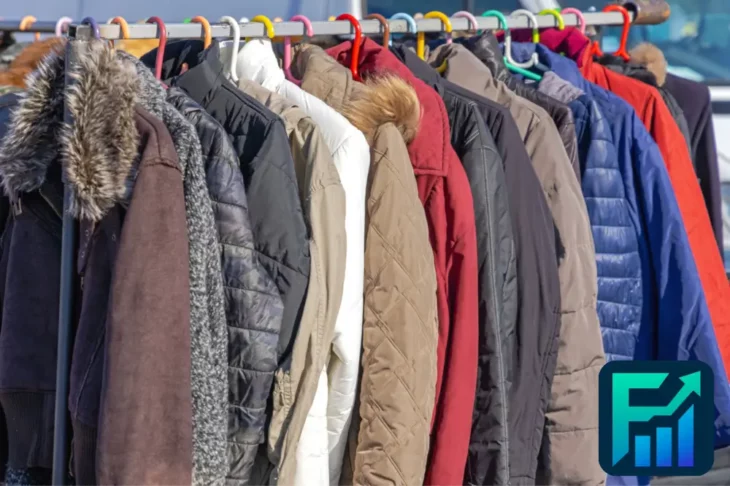
Winter costs can significantly impact household budgets, especially in Canada, where temperatures often plummet.
From heating bills to increased electricity usage and the need for warmer clothing, expenses tend to rise during the colder months.
However, it’s possible to stay warm and comfortable without overspending. Keep reading to discover our recommendations!
Heating: keeping warm for less
Heating is typically the largest component of winter expenses.
By optimizing your home’s heating system and addressing potential inefficiencies, you can maintain comfort while reducing costs.
Optimizing your thermostat
Proper thermostat management can lead to substantial savings.
Ideal temperature ranges
Keeping your thermostat at 20°C (68°F) during the day and dropping it to 17°C (62°F) at night or when out can save energy comfortably.
Using programmable or smart thermostats
Smart thermostats, such as Ecobee and Nest, allow for automated temperature adjustments based on your schedule, optimizing energy use and reducing heating bills.
Sealing heat leaks to cut winter costs
Preventing heat loss is essential for efficient heating.
How to check for and seal drafts
Check for drafts around doors and windows by sensing cool air or watching a candle flicker near seams.
Sealing these gaps can prevent heat from escaping.
Using weather stripping, window film, and draft stoppers
Applying weather stripping around doors, using window film, and placing draft stoppers can also block cold air entry and retain indoor warmth.
Alternative heat sources
Supplemental heating options can provide targeted warmth.
Electric space heaters
Electric space heaters are useful for heating small areas but can be energy-intensive.
Use them sparingly and avoid leaving them unattended.
Safe use of heated blankets and hot water bottles
Heated blankets and hot water bottles offer personal warmth.
Ensure they’re in good condition and follow safety guidelines to prevent hazards.
Portable heat pumps or infrared panels
Portable heat pumps and infrared panels can heat specific zones, reducing the need to warm the entire home.
Saving on electricity
Electricity usage regularly increases during winter due to heating and lighting needs.
Implementing energy-saving practices can help manage these costs.
Smart usage tips
Simple adjustments in daily habits can lead to noticeable savings.
Use of energy-efficient LED lighting
Replacing incandescent bulbs with LED lights reduces energy consumption and lowers electricity bills.
Timing laundry and dishwashing for off-peak hours
Using appliances at night or on weekends can help you benefit from discounted electricity prices.
Unplugging phantom-load appliances
Electronics and chargers continue drawing power even when they’re switched off.
Unplugging them or using power strips can eliminate this “phantom” energy use.
Energy rebates and government programs to cut winter costs
Various programs offer financial incentives for energy-efficient upgrades.
Federal and provincial rebate programs
The Canada Greener Homes Grant provides up to $5,000 for energy-efficient home retrofits, such as insulation and heat pumps.
Utility provider incentives
Hydro-Québec offers rebates for energy-efficient equipment, including up to $2,800 for eligible heat pump installations.
And homeowners can receive up to $12,500 in rebates from BC Hydro for making energy-saving improvements.
Appliance efficiency
Identifying and managing high-energy appliances can further reduce electricity costs.
Identifying energy hogs in your home
Appliances like old refrigerators and space heaters can consume excessive energy.
Consider upgrading to energy-efficient models.
Using energy monitors to track usage
With energy monitors, you can measure appliance usage and decide when it’s time to upgrade.
Winter clothing hacks to cut indoor heating
Being dressed in warm layers indoors can help you stay cozy without cranking up the heat.
Layering at home
Wearing multiple layers traps body heat, keeping you warm without additional heating.
Base layers, thermal socks, and fleece-lined loungewear
Start with moisture-wicking base layers, add insulating thermal socks, and top with fleece-lined loungewear for optimal warmth.
Using wearable blankets and heated slippers
Wearable blankets and heated slippers provide comfort and warmth, reducing reliance on home heating systems.
Budget winter shopping tips
Affordable winter clothing options are available without compromising quality.
Where to buy affordable cold-weather gear
Stores like Value Village, Decathlon, and Uniqlo offer budget-friendly winter apparel suitable for Canadian winters.
How to recognize high-performance clothing at low prices
Look for items with thermal insulation, moisture-wicking properties, and wind resistance to ensure effectiveness in cold conditions.
Staying warm while sleeping
Maintaining warmth during sleep can allow for lower thermostat settings overnight.
Using flannel sheets, extra blankets, and hot packs
Warmth at night is easy with flannel bedding, extra layers, and heat packs.
Embrace a warmer, more efficient season by cutting winter costs
Managing winter costs in Canada requires a combination of smart heating practices, electricity usage awareness, and appropriate clothing choices.
By implementing these strategies, you can enjoy a comfortable winter while keeping expenses in check.