Credit score utilization: the fastest way to improve your rating without new loans
Master your credit score utilization for better results
advertisements
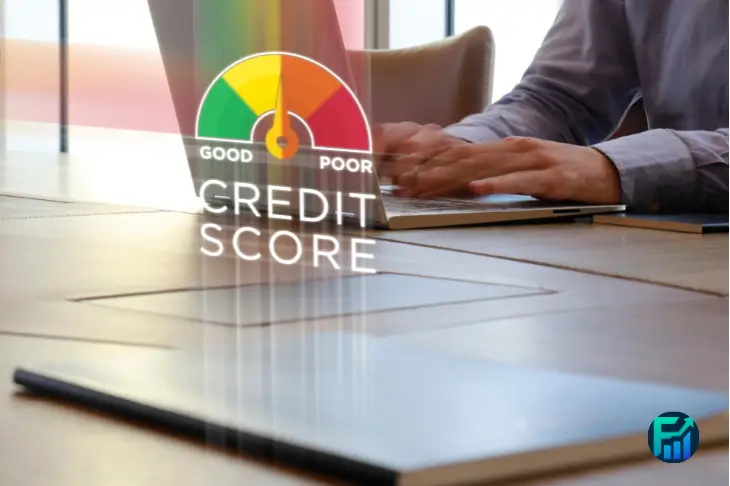
Credit score utilization is the single most important number on your credit report that you can actually control right now.
Many hard-working people believe that they need a high-paying job or a massive inheritance to see their credit numbers move up.
That is simply not the case when you understand how the system looks at your debt. You have the power to change how lenders see you without spending an extra dime or taking out a new loan.
Read along to find out how these simple shifts in your habits can unlock better opportunities for you and your family.
Most of us were never taught how credit works in school. We just get a card and try our best to pay the bills on time every month. But sometimes even when you pay on time your score stays stuck or even goes down.
This happens because of a little thing called utilization which tracks how much of your limit you use. It is like a grade that the bank gives you based on how much you rely on their money.
If you follow these steps you will see that you have more control than you ever thought possible.
Can credit score utilization really fix your credit fast?
The banks look at your credit score utilization as a sign of how stressed you are with money. If you have a one thousand dollar limit and you spend nine hundred dollars it looks like you are in trouble.
Even if you plan to pay it off the bank sees that high balance and gets worried. This is why keeping that number low is such a big deal for your overall rating.
The good news is that credit score utilization has no memory. If you have a bad month where you use too much of your limit your score will drop temporarily.
However as soon as you pay it down and the new lower balance is reported your score bounces back. This is different from a late payment which stays on your record for seven long years.
Managing your balances is the quickest way to see a jump in your points because the system updates almost every thirty days.
Think of your credit card like a bucket of water. Lenders want to see that your bucket is mostly empty rather than overflowing.
When you keep your credit score utilization under thirty percent you are showing everyone that you are a safe bet. You are telling the world that you have access to money but you do not desperately need to use it all to survive.
This builds trust with banks and makes them want to offer you better rates on things like car loans or a new apartment lease.
Is the thirty percent rule a real law?
While the thirty percent rule is not a legal requirement it is a very strong guideline used by experts. If you can get your credit score utilization even lower like ten percent or five percent your score will climb even higher.
It is a sliding scale where less is almost always better for your financial reputation. The system rewards people who leave most of their available credit untouched and ready for real emergencies.
You might be wondering why they give you a limit if they do not want you to use it. It feels a bit like a trap but it is actually a test of your discipline.
Banks want to see that you can walk past a sale or skip a fancy dinner when your card is in your pocket. By mastering credit score utilization you are proving that you are the boss of your own money.
It takes practice but once you see those points go up you will feel a huge sense of pride.
How does the bank report my balance?
Banks usually send a report to the credit bureaus once a month on your statement closing date. This date is different from your actual due date and that is where most people get confused.
If you pay your bill on the due date the bank might have already reported a high balance for that month. This makes your credit score utilization look much higher than it actually is after you pay.
To win this game you need to find out when your statement ends. If you pay your balance just one day before that closing date the bank reports a very low number to the bureaus.
This simple trick can make a massive difference in your credit score utilization without you having to change how much you spend. You are just changing the timing of your payment to make sure the report looks as good as possible for your future goals.
Why does credit score utilization matter for your wallet?
Every single point on your credit score can save you money in interest and fees. When your credit score utilization is low your score stays high and you qualify for the best deals.
This means lower monthly payments on a car which leaves more money for groceries and gas. It means lower interest on a personal loan which helps you get ahead of your bills instead of falling behind.
When you have a high credit score utilization lenders think you are a risky person to lend to. They will charge you higher interest rates to cover that risk which ends up costing you thousands of dollars over time.
That money could be going into a savings account or toward your kids’ education instead of the bank’s pocket. Lowering your utilization is like giving yourself a raise because you stop wasting money on high interest costs.
Life is full of surprises like a broken water heater or a flat tire on the way to work. When your credit score utilization is low you have plenty of room on your cards to handle these problems.
You won’t have to worry about a card being declined at the mechanic when you need it most. Having that extra space provides a safety net that protects your family from the stress of a sudden financial emergency.
What happens if I max out my cards?
Maxing out a card sends a big red flag to every bank and credit agency in the country. Your credit score utilization hits one hundred percent and your score will likely take a very deep dive.
Even if you are a hard worker who never misses a payment this high balance makes you look unreliable. It suggests that you are living beyond your means and that you might not be able to pay back what you owe.
If you find yourself in this situation do not panic because you can fix it. Start by looking at which cards have the highest credit score utilization and focus on those first.
Even small payments that bring the balance below the limit will help your score start to breathe again. Every dollar you pay down is a step toward freedom from the heavy weight of high-interest debt and a bad credit rating.
Does having multiple cards help my score?
Having a few different cards can actually help your credit score utilization if you use them wisely. The system looks at your total limit across all your cards and compares it to your total debt.
If you have three cards with a one thousand dollar limit each your total limit is three thousand dollars. Keeping your total balance under nine hundred dollars across all cards keeps you in that thirty percent sweet spot.
However you must be careful not to open too many accounts at once. Each new application can lower your score a little bit for a short time. Focus on the cards you have and try to keep each individual card below the thirty percent mark.
Managing your credit score utilization across multiple accounts shows that you can handle complex finances with ease. It proves to lenders that you are organized and serious about your financial health.
How can you lower your credit score utilization today?
The fastest way to see a change is to start making small payments throughout the month. You do not have to wait for your bill to arrive to send money to the credit card company.
If you get a small bonus or a bit of extra cash from a side job put it toward your balance immediately. This keeps your credit score utilization low all month long instead of just on the day you pay your bill.
Another trick is to ask for a limit increase on your current cards. If your limit goes from one thousand to two thousand and your balance stays the same your utilization is cut in half.
This is a great way to improve your credit score utilization without having to pay off a huge chunk of debt at once. Just make sure you do not start spending more just because your limit is higher or you will end up in the same spot.
Check your credit card apps once a week to see where you stand. It is very easy to lose track of spending when you are busy with work and family life.
By staying on top of your balances you can catch a high credit score utilization before it gets reported to the bureaus. Knowing your numbers is the first step to changing them and building the life you want for your loved ones.
How do I find my statement closing date?
Finding this date is crucial for your success but it can be a bit hidden on your documents. You can usually find it on your monthly paper statement or in the account details section of your bank’s website.
It is the date when the billing cycle ends and the bank adds up all your transactions for the month. To get the best results follow these simple steps to manage your timing:
- Look at your last three statements to see if the closing date stays the same.
- Mark that date on your calendar or set a reminder on your phone.
- Calculate thirty percent of your limit so you know your target number.
- Make a payment three days before the closing date to be safe.
- Check your app after the date to confirm the lower balance was recorded.
- Avoid using that card for big purchases until the new cycle starts.
By following this routine you ensure that the bureau sees a low credit score utilization every single month. This shows a pattern of responsible behavior that banks absolutely love to see.
It is a small time investment that pays off in huge ways when you go to buy a home or start a business. Consistency is the key to unlocking the best version of your financial future.
What common things raise my utilization accidentally?
Sometimes we do not realize that small everyday choices are hurting our scores. We might put a big grocery trip or a car repair on the card and wait until the end of the month to pay.
If the bank reports the balance during that time your credit score utilization will spike. Here are some common things that can sneakily raise your balances if you are not careful:
- Automatic subscriptions for streaming services or gym memberships.
- Big holiday shopping trips where you use the card for convenience.
- Unexpected medical bills that you put on credit to manage the cost.
- Paying for a family vacation upfront before you get reimbursed.
- Using your card for work expenses that take weeks to get back.
- Gas station runs that add up faster than you realize.
If you know these things are coming you can plan your payments to keep your credit score utilization low. Knowledge is power when it comes to your credit report.
Being aware of these traps allows you to stay one step ahead of the banks and keep your score climbing. You are doing this for your future and every small choice counts toward your ultimate success.
What are the hidden traps of credit score utilization?
One hidden trap is the “all-or-nothing” thinking that leads people to close old accounts. You might think that closing a card you don’t use will help your score but it often does the opposite.
When you close a card you lose that available credit limit which makes your credit score utilization look much higher. It is usually better to keep the account open and just use it once or twice a year for something small.
Another trap is only looking at your total utilization and ignoring individual cards. Even if your total debt is low having one card that is nearly maxed out can still hurt your rating.
Lenders want to see that you are managing every single line of credit responsibly. Keep an eye on every account to ensure your credit score utilization is healthy across the board for the best results.
Be careful with those “no interest for six months” deals at furniture or electronics stores. They often give you a card with a limit that is exactly the same as the price of the item you bought.
This means that card is at one hundred percent credit score utilization from the very first day. If you take these deals try to pay them down quickly or make sure your other cards have very low balances to balance things out.
Will mastering credit score utilization change your future?
Imagine a life where you never have to worry about a credit check again. When you master your credit score utilization you are taking the keys to your financial house.
You will have the confidence to apply for the best jobs because many employers check credit scores now. You will be able to provide a stable home for your children in a neighborhood you love because you qualify for a better mortgage.
Improving your credit score utilization is not about being rich; it is about being smart with what you have. It is a skill that you can pass down to your children so they don’t have to struggle like many of us did.
You are building a legacy of financial wisdom that will serve your family for generations to come. Every time you check your balance and make a smart choice you are investing in your own freedom.
The road to a perfect score is a marathon not a sprint so be patient with yourself. There will be months where things go wrong and your credit score utilization goes up but that is okay.
The important thing is that you now have the tools and the knowledge to fix it. Keep moving forward and stay focused on your goals because you deserve the peace of mind that comes with a healthy credit rating.
You have learned that your credit score utilization is a reflection of your habits and your timing. By paying before the closing date and keeping balances low you are taking charge of your financial story.
This simple shift is the fastest way to see real change in your credit life without needing a loan or a miracle. Take the first step today by checking your statement dates and committing to a lower balance for a brighter future.
Improving your credit score utilization is the first step toward the life you have always dreamed of having.
Educational information — not financial advice.