Emergency Fund: how to build yours?
See how you can start your fund quickly!
advertisements
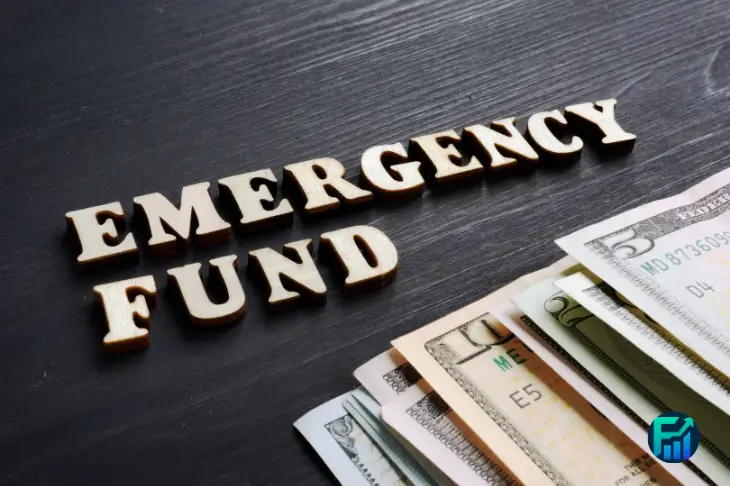
An emergency fund is much more than just “saving money.” With it, you have a guarantee of maintaining your quality of life in case you ever find yourself without income or with less income than usual.
However, most people don’t have and don’t even think about having an emergency fund. This is quite concerning, considering there are situations where it is truly necessary.
If you feel it’s time to start building yours, keep reading and learn step by step.
What is an emergency fund, and what is it for?
An emergency fund is money set aside for emergencies. Some situations where it may be needed include:
- Job loss;
- Urgent repairs;
- Health problems and medical expenses;
- The need for a large, unexpected expense.
Of course, there are many other emergencies that can arise, but the key point is the importance of having this reserve.
Essentially, it serves to help you handle these types of emergencies and, most importantly, to maintain your standard of living even during crises.
Who should have an emergency fund?
Everyone! Absolutely everyone should have an emergency fund. Save what you can, but ensure you have that reserve for difficult times.
However, there are specific profiles of people who need an emergency fund more than others. Here are a few:
Freelancers or self-employed individuals: These people often don’t have a fixed income, so they need greater financial control and larger reserves.
Seniors or those close to retirement: Emergencies can arise at any time, making an emergency fund crucial for this group.
People with children or dependents: If others rely on you, it’s especially important to ensure their well-being by having a financial safety net.
Factors to consider for the ideal amount
Before you start planning how to build your reserve, it’s important to have an idea of the amounts that will be allocated to it.
To determine this, you need to evaluate your current financial situation and, of course, figure out how much you can contribute monthly.
Your job
Start by evaluating your job. How much do you earn monthly? Are you self-employed or a freelancer? Assess your average income!
Pay attention to details such as bonuses, promotions, monthly projects (in the case of freelancers), and other income sources.
Your commitments
It’s crucial to account for your commitments. For example, do you have children? Additional dependents? A health plan?
Everything you need to pay or spend monthly should be listed so you can determine the best amount to allocate to your reserve.
Your investor profile
Remember when we said that idle money doesn’t generate returns? That’s the reality today, which is why it’s always recommended to invest the money in your emergency fund.
However, before you start investing, you need to understand your investor profile. There are three main profiles, ranging from the most conservative to the most aggressive!
Identify yours, and you’ll be able to choose the ideal investment for your financial reserve.
Loans or financing
Loans and financing play an important role in this calculation, especially if they pertain to your house or car.
After all, losing one of these assets during a crisis would be devastating. Include these amounts in your monthly expenses so they’re accounted for in your financial reserve.
Tips for building your emergency fund
Have you assessed all this and feel ready to finally start building your emergency fund? Great!
We have some important tips that can make the process easier and help you get started. Check them out:
Organize your budget
Organizing your budget is a must, and while it may seem tedious, it’s something most people should include in their lives.
You need to know where your money comes from and where it goes. Every expense should be tracked, as well as every source of income.
But it’s not just about tracking; it’s about categorizing expenses, such as fixed and variable costs.
It’s about organizing everything to the point where you can see where to cut or allocate funds, where to save, and where to spend.
For this step, you can use spreadsheets, jot everything down on paper or in a notebook, or even use apps (many of which are free).
Use scheduled transfers
Using scheduled transfers can make paying your bills easier and is also a great way to control spending.
With this tool, you can organize your finances more effectively, leaving extra money to put into your emergency fund.
Additionally, if you set aside a specific amount for your emergency fund, scheduling a transfer to another account can be very helpful.
Be consistent
Another crucial tip is consistency. Without it, you won’t get anywhere. It’s essential to contribute a consistent amount every month, no matter how small.
If you’ve set a specific amount in your budget, try to stick to it. This way, you’ll build your fund more quickly.
Even after reaching your goal, don’t stop saving! It’s always wise to have money saved and generating returns through investments.
Cut unnecessary expenses
This tip may seem obvious to many and has been mentioned before, but it’s so important that it’s worth emphasizing again: cut unnecessary expenses!
This doesn’t just mean skipping a weekend food delivery but also canceling subscriptions to multiple streaming services if you only use one.
Or consider the times you use your car when a bus ride could be much cheaper! List everything in detail.
When to use your emergency fund
To conclude, it’s important to know when you should use your emergency fund. We can already tell you that there’s no universally “right” time for this, as each person knows their own emergencies.
Typically, people use their emergency fund in cases such as job loss, family issues, health problems, and other critical situations.
However, it all depends on your specific circumstances. Avoid spending it on trivial matters or things that aren’t truly important.
Conclusion
We hope this guide has helped you understand emergency funds better and inspired you to start saving yours!
It’s not difficult, and the sooner you begin, the better. Be consistent, confident, and organized, and success is almost guaranteed.
Editorial Notice: All content published on this website is completely independent and aims to provide clear, useful, and up-to-date information about personal finance. We have no ties to banks, financial institutions or credit card companies. We are not affiliates and do not receive commissions or payments to promote products or services. Our website is monetized exclusively through the advertisements displayed on our pages.