Gas Rewards Apps: 3 Best Tools to Lower Your Costs at the Pump
Gas Rewards Apps for everyday fuel savings
advertisements
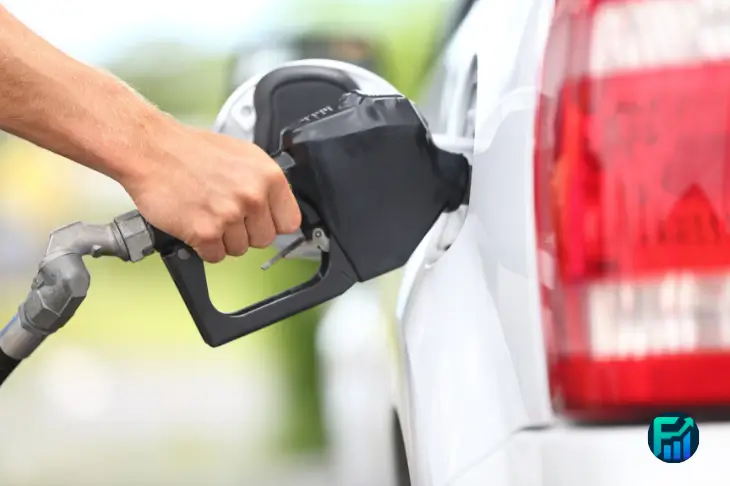
Gas rewards apps can help everyday drivers spend less on fuel without changing their routine. If filling up the tank has become a stressful moment in your budget, this topic is worth your time. Keep reading and see how these apps fit into real life.
For many families, gas is not optional. It means getting to work, taking kids to school, buying groceries, and handling daily responsibilities. When fuel prices rise, the pressure shows up fast. Gas rewards apps do not solve everything, but they can help soften the impact.
Can gas rewards apps actually reduce fuel expenses?
Gas rewards apps are designed to lower fuel costs little by little. Before trusting them, it helps to understand how they work behind the scenes. Many people are cautious, especially if they have tried reward programs that did not deliver.
These apps partner with gas stations and fuel brands. Stations offer discounts or cash back to attract drivers. The app shares part of that value with users who follow simple steps.
The savings are usually small per visit. What makes gas rewards apps useful is repetition. Fuel is a constant expense, so even modest savings can matter over time.
How do gas rewards apps work in daily routines?
Most gas rewards apps follow a similar process. You download the app, create a free account, and allow location access. The app then shows nearby stations, prices, and available rewards.
When you choose a station, you may need to activate an offer before fueling. Some apps ask you to pay with a linked card. Others require a photo of your receipt. After that, the reward is added to your balance.
In practice, it feels simple. You still buy gas the same way. The app just helps you choose where to stop and rewards you afterward.
What common mistakes reduce the benefits?
A frequent mistake is expecting large or instant payouts. Gas rewards apps are savings tools, not income sources. Another issue is driving far out of the way for a deal that barely saves money.
Many users forget to activate offers before fueling. Others miss receipt deadlines. These small details can cancel the reward.
Using too many apps at once can also backfire. Notifications pile up and the process feels confusing. One or two gas rewards apps are usually enough.
Which gas rewards apps are easier for beginners?
Not all gas rewards apps feel the same. Some focus on price comparison. Others emphasize cash back. For beginners, ease of use matters more than advanced features.
Apps like Upside and GasBuddy are often mentioned because they work in many areas and are simple to navigate. They usually partner with stations people already visit.
Before choosing, think about how you normally pay for gas. Some gas rewards apps work better with debit or credit cards. Others rely on receipt uploads.
How can you start using gas rewards apps without pressure?
The best way to begin is slowly. Choose one app and try it once. Do not change your driving habits yet. Just see how the process feels.
Many drivers follow a simple approach when starting:
- Install one gas rewards app.
- Check prices before your next fill-up.
- Activate a nearby offer if available.
- Fuel as usual.
- Review the reward later.
This method keeps expectations realistic and avoids frustration.
What early errors should new users avoid?
Skipping instructions when linking a payment method is a common issue. Each app has rules that must be followed for rewards to track correctly. Another concern is privacy. Gas rewards apps use location data to function. Most allow you to control permissions in settings.
It also helps not to compare your savings with others. Results depend on location, driving frequency, and station participation.
How do gas rewards apps fit into busy schedules?
Time is limited for most people. Gas rewards apps work best when they blend into routines you already have.
You do not need to check them every day. Many drivers only open the app when the tank is low or errands are planned.
If an app feels like extra work, it probably will not last. Simplicity matters.
What is a realistic routine for daily use?
A low-effort routine helps keep gas rewards apps useful:
- Open the app when fuel is running low.
- Look for stations along your normal route.
- Activate an offer if one exists.
- Fill up and continue your day.
- Check rewards later when convenient.
This approach keeps time investment small and consistent.
Are gas rewards apps worth using long term?
Fuel is a recurring cost, which makes these apps more effective over time. Even small savings can add up when repeated often. Most users see steady, modest rewards. Over several months, this can help with groceries, utilities, or other routine expenses.
The effort stays about the same once habits are formed.
What returns should drivers realistically expect?
Gas rewards apps are usually free. There are no subscription fees. The main cost is a few minutes of attention per fill-up.
Returns vary. Drivers who travel more or live in areas with many participating stations may save more.
The key is consistency, not expecting big wins.
What concerns make people hesitate?
Some people worry about scams or hidden fees. Others feel unsure about sharing location data. These concerns are reasonable.
Well-known gas rewards apps have been around for years and work with major brands. That helps build trust, though no app is perfect. Understanding the limits helps avoid disappointment.
How can hesitation be reduced?
Testing one app with one fill-up is often enough to decide. There is no commitment. If the experience feels smooth, you can keep using it. If not, deleting the app is easy.
Used consistently, gas rewards apps can help drivers feel more in control at the pump. They will not change fuel prices, but they can make each gallon hurt a little less when budgets are tight, especially when gas rewards apps become part of your normal routine.
Educational information — not financial advice.