
The hidden cost of tax refund anticipation loans: is it worth the fee?
advertisements
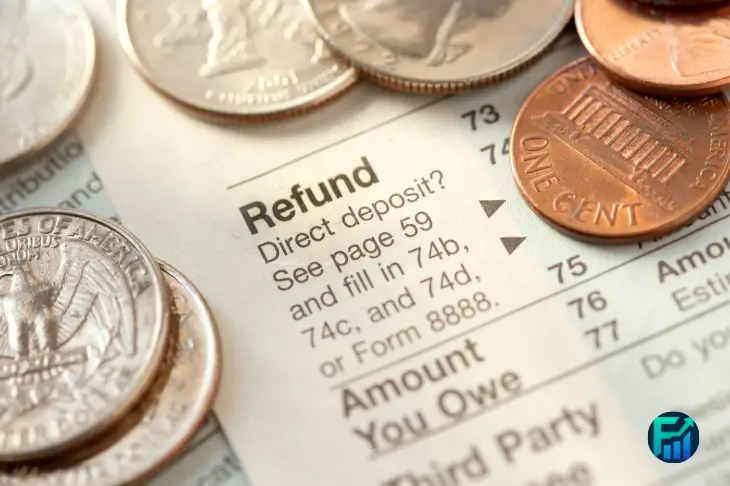
A refund anticipation loan is often promoted as an easy way to get your tax refund money today, but the true cost can be surprisingly high. If you’re feeling stressed about bills or overdue expenses, this kind of offer can sound like relief, so it’s worth looking closely before saying yes.
Tax season is one of those times when many families are hoping for a little breathing room. A refund might help cover rent, groceries, childcare, car repairs, or just catch up after a tough month. So when a tax preparation company says you can get money immediately instead of waiting, it naturally grabs your attention.
The problem is that a refund anticipation loan is not free money, and it’s not just a faster refund. It’s a loan, with fees and conditions that can reduce the amount you actually keep. Stick with this article to see why waiting a few weeks is often the cheaper and safer choice.
Is a refund anticipation loan really worth paying for speed?
When money feels urgent, speed feels valuable. That’s the main reason people consider a refund anticipation loan. You might be thinking about an overdue electric bill, a rent payment that’s coming up fast, or a car that needs work so you can get to your job.
In that moment, getting cash today instead of later sounds like a lifeline. Tax preparers know that, and many companies advertise these loans as helpful, simple, and quick. But the big question is what you give up in return.
Most refunds from the IRS arrive in about three weeks if you file electronically and choose direct deposit. That means the “wait” is usually not months, it’s a short period. Yet many refund anticipation loan offers charge $150, $200, or even more for that short timeline.
Let’s make that real with an example that many households can relate to. Imagine your refund is $2,800. A company offers you a refund anticipation loan and gives you that money right away. But they charge $200 in fees for the service. You get your cash now, but you only keep $2,600. That $200 is gone.
Now think about what $200 could mean in everyday life. That might cover a week of groceries, a phone bill, part of your gas costs, or a school expense for your child. Losing that money hurts, especially when the refund was meant to help you in the first place.
How can you spot the real cost before signing anything?
The first step is understanding that refund anticipation loan offers often hide the cost in small print. The advertisement might focus on “instant refund” or “money today,” but the fees may show up in different ways.
Sometimes the loan itself has a fee. Other times the company charges extra for tax preparation, account setup, prepaid debit cards, or fast delivery. All of those costs come out of your refund.
A good habit is to ask one simple question: how much money will I lose in total by taking this offer?
If the answer is more than a few dollars, it’s worth thinking twice.
What mistakes do people make with refund anticipation loans?
One common mistake is believing it’s just your refund arriving early. It’s not. A refund anticipation loan is borrowing money against what you expect the IRS to send later.
Another mistake is not comparing it to waiting. If the IRS will send your full refund within a few weeks, paying hundreds for early access may not make sense.
People also sometimes miss the risk that if the IRS delays your refund for any reason, the loan company may still expect repayment. Even if they advertise it as “safe,” borrowing always adds complexity.
Is waiting for the IRS refund usually the smarter option?
For most taxpayers, waiting is the cheapest choice. The IRS refund process can feel slow when your budget is tight, but compared to the fees of a refund anticipation loan, waiting protects your money.
Think of it like this: your refund is already yours. The government owes it to you because of what was withheld from your paycheck. A loan doesn’t increase that refund. It just moves the timing forward while taking a slice for the lender.
Many people don’t realize they are paying a very high price for a very short wait.
If you pay $200 to get your refund 21 days early, that means you paid almost $10 per day for speed. That’s extremely expensive compared to almost any other financial product.
How can you handle the waiting period without borrowing?
If you truly need your refund for urgent expenses, it may help to look at short-term options that don’t involve losing part of your refund.
Sometimes you can call a utility company and request an extension or payment plan. Many providers are willing to work with customers, especially if you communicate early.
You may also be able to delay a non-essential bill or adjust spending temporarily. Even small changes for a couple of weeks can reduce pressure.
The key is to avoid making a decision that costs you hundreds just because things feel stressful today.
What alternatives cost less than a refund anticipation loan?
There are a few options that many people overlook. These may not solve every situation, but they often cost far less than a refund anticipation loan.
- Filing electronically and using direct deposit for faster refunds
- Using free or low-cost tax filing assistance in your community
- Asking creditors for short-term hardship options
- Checking for local nonprofit emergency support programs
- Planning ahead next year with a small savings buffer
Even one of these steps can help you keep more of your refund instead of paying it away in fees.
Is a refund anticipation loan ever helpful when money is urgent?
Some families face real emergencies. If eviction is close or your car repair is the only way to keep working, fast money can feel necessary.
In those situations, it’s understandable why people consider a refund anticipation loan. The decision isn’t always easy, and it’s not about judging anyone’s choices. It’s about understanding what the loan truly costs.
The problem is that these loans are designed around urgency. The more desperate someone feels, the easier it is for a company to charge a high fee.
That’s why it helps to pause, do the math, and make sure you’re not giving up too much of your refund for short-term relief.
How can you do a quick fee comparison?
Before accepting a refund anticipation loan, calculate what you are paying for speed.
If your refund is $3,000 and the fee is $250, you are losing more than 8% of your refund instantly.
That’s money meant for your household. For many families, losing $250 hurts more than waiting three weeks.
This is why many financial educators recommend avoiding these loans unless there is truly no other option.
What questions should you ask the preparer directly?
If someone offers you a refund anticipation loan, don’t be afraid to ask simple, direct questions.
Is this a loan? What is the total fee? Are there extra charges? What happens if my refund is delayed?
If the answers feel unclear or rushed, that’s often a warning sign. A trustworthy service should explain everything plainly.
Is the convenience of these loans hiding bigger long-term costs?
The biggest hidden cost is how normal these loans can start to feel. If someone uses a refund anticipation loan every year, it becomes routine, and the fees become expected.
But those fees add up over time. Paying $200 each year for five years means losing $1,000 from your refunds, just for early access.
That could have gone toward debt, savings, school supplies, or a real emergency fund.
Another risk is dependency. Instead of adjusting financial planning, people may end up relying on refund loans year after year, staying stuck in the same cycle.
How can you prepare differently for next year?
One helpful long-term step is adjusting your paycheck withholding. Some workers choose to have less taken out each paycheck, so they receive more money throughout the year instead of one big refund.
Another step is starting small emergency savings. Even $10 a week can create a cushion over time, making it less likely you’ll need quick cash offers later.
Little changes can reduce the pressure that leads to refund anticipation loan decisions.
What habits help you keep your full refund?
Filing early, using direct deposit, and choosing affordable tax preparation options are some of the best ways to speed up your refund without extra costs.
The goal is simple: keep as much of your refund as possible, because that money belongs to you.
Is it possible to avoid refund anticipation loans completely?
Yes, and many people do once they understand the true price of speed. A refund anticipation loan may look helpful on the surface, but it often takes away money that families truly need.
Waiting for the IRS refund may not feel fun, but keeping your full refund is usually worth it. Losing $200 just to access your own money sooner is a steep trade.
If you’re considering a refund anticipation loan, take a breath, look at the full cost, and ask yourself if waiting a few weeks could save you hundreds.
In many cases, patience is the cheaper option, and your refund will arrive soon enough without paying extra fees.
Educational information — not financial advice.