
Behind on rent? Know your renter rights and the eviction process
Know your renter rights before eviction starts
advertisements
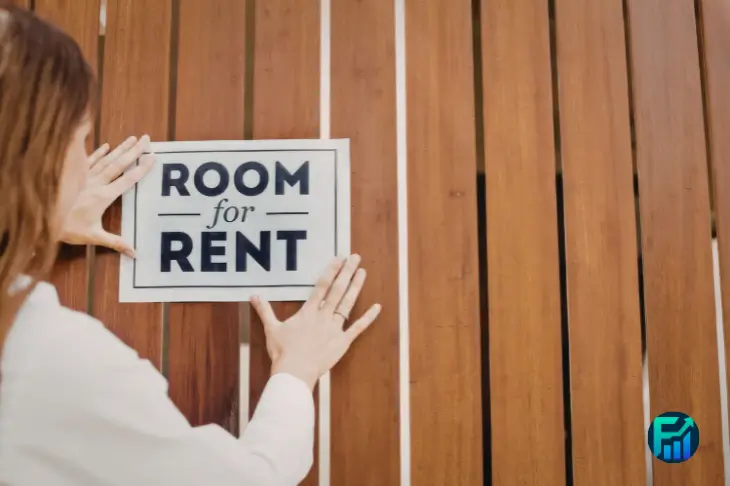
Renter rights are your first line of defense when rent falls behind and stress starts to build. If you’re worried about losing your home, you’re not alone. Many families face tight budgets, rising costs, and unexpected setbacks. The good news is that eviction is not instant, and renter rights exist to give you time and options. Stick with this guide to understand what really happens and what you can do next.
What do renter rights really mean during eviction?
It’s easy to assume eviction happens overnight, but that’s not how the system works. Renter rights are designed to protect you from sudden, unfair removal. They set rules that landlords must follow before taking legal action.
In simple terms, renter rights mean your landlord cannot just lock you out or throw your belongings outside. There is a legal process, and it takes time. Knowing this can reduce panic and help you think clearly about your next move.
How can you start dealing with the situation?
The first step is understanding where you stand. If you missed rent, your landlord will usually send a notice. This is often called a “Pay or Quit” notice. It gives you a set number of days to pay what you owe or move out.
This notice is not an eviction order. It is the beginning of a process. Your renter rights ensure you have time to respond. Use this window wisely. Check the amount owed, review your lease, and start planning your next steps.
Reach out to your landlord early. A simple message explaining your situation can open the door to a payment plan. Many landlords prefer partial payment over going to court. Renter rights protect you legally, but communication can protect your housing faster.
What common mistakes should you avoid?
When stress hits, it’s easy to make quick decisions that hurt you later. One major mistake is ignoring notices. If you don’t respond, the process keeps moving forward.
Another mistake is assuming you have no power. Renter rights give you the ability to challenge errors, ask for time, and even defend yourself in court. Walking away too early might damage your rental history.
Here are a few things to avoid when dealing with eviction:
- Ignoring written notices or court papers
- Moving out without a clear agreement
- Stopping communication with your landlord
- Paying cash without proof or receipt
- Believing threats that skip legal steps
Renter rights exist to prevent unfair treatment. Use them to stay informed and protect your future.
How does the eviction process usually unfold?
Understanding the timeline can make a big difference. Eviction is a step-by-step legal process, not a sudden event. Renter rights ensure each step is handled properly.
After the initial notice, if the issue is not resolved, the landlord may file a case in court. This is called an unlawful detainer lawsuit. At this point, you will receive official court papers.
What happens step by step?
Once the case is filed, you have the right to respond. This is a key part of your renter rights. You can explain your situation, point out errors, or request more time.
The process usually follows a pattern like this:
- You receive a “Pay or Quit” notice
- The landlord files a court case if unresolved
- You receive a summons and complaint
- You submit a response within the deadline
- A hearing or trial may be scheduled
- A judge makes the final decision
If the judge rules in favor of the landlord, you may receive a final notice to move out. Even then, renter rights often provide a short period before enforcement. This time can help you prepare or seek assistance.
It’s important to remember that landlords cannot legally take shortcuts. Changing locks, shutting off utilities, or removing your belongings without a court order is illegal in most places. Renter rights protect you from these actions.
What strategies help when time is short?
When deadlines are close, every decision matters. Renter rights give you options, but acting quickly is key. Focus on steps that can stabilize your situation or reduce long-term damage.
Even a few days can make a difference if you use them wisely. The goal is to either stop the eviction or leave on better terms.
How can you take action right now?
Start by looking for emergency rental help. Many communities offer programs that can cover part of your rent. These are often called Emergency Rental Assistance Programs, or ERAP. You can also call 211 to connect with local services.
Next, consider legal help. Many cities offer free or low-cost tenant attorneys. These professionals understand renter rights and can guide you through your options. In some cases, they can delay the process or negotiate better outcomes.
Another strategy is negotiating a move-out agreement. This is sometimes called “cash for keys.” It means you agree to leave by a certain date in exchange for financial help. While not ideal, it can protect your record and give you time to find a new place.
Renter rights are not just about staying. They are also about leaving in a way that protects your future housing options.
How should you evaluate your options realistically?
Not every situation ends the same way. Some tenants catch up on rent, while others need to move. Renter rights help you choose the best path based on your reality.
Think about your income, savings, and support system. Be honest about what you can afford. This will guide your decisions.
What costs, time, and outcomes should you expect?
Fighting an eviction can take time and energy. It may delay the process, but it does not always stop it. Still, renter rights give you a chance to correct mistakes or gain extra time.
If you stay and win, you keep your home. If you lose, you may have more time to move. Either way, showing up and participating can improve your outcome.
Moving out before a court judgment may protect your rental history. This can make it easier to find a new place. Renter rights include the ability to make that choice, not just react to a final order.
Balance short-term relief with long-term impact. Sometimes, a quick agreement is better than a long legal fight. Other times, standing your ground is the right move.
What fears block action and how can you move forward?
Fear is one of the biggest barriers in this situation. Many people feel stuck or ashamed. But renter rights exist for a reason. They are there to support you during difficult moments.
Taking small steps can help you regain control. You don’t need to solve everything at once.
How can you break through and take control?
Start by reading every document you receive. Knowledge reduces fear. When you understand your renter rights, you can make better decisions.
Talk to someone you trust. This could be a friend, a family member, or a legal advisor. You don’t have to handle this alone.
Focus on one action at a time. Make a call, send an email, or gather documents. Each step moves you forward.
Remember that renter rights give you time. Use that time to plan, not panic. Even in tough situations, there is usually more room to act than it first appears.
Falling behind on rent is stressful, but it does not mean immediate eviction. The process takes time, and renter rights are there to protect you at every stage. By understanding how the system works, communicating early, and exploring your options, you can make choices that protect your housing and your future. Keep moving forward, one step at a time, and rely on your renter rights to guide you through this moment.
Educational information — not financial advice.