5 smart money habits you can learn from Hollywood movies
advertisements

Smart money habits are not only found in finance books or business podcasts. Sometimes, the best lessons come from movies that show real struggles, hard choices, and everyday survival. For many working Americans living paycheck to paycheck, those stories feel familiar.
This article is for people trying to stretch every dollar while dealing with rent, groceries, transportation, childcare, and rising bills. The goal is not to promise quick wealth or overnight success. Instead, it is about learning practical habits that can protect your financial life little by little.
This content is educational only and should not replace professional financial advice. Every financial situation is different.
Some Hollywood movies may seem far removed from daily budgeting problems, but many of them quietly teach important lessons about emergency funds, side hustle income, organization, and smart spending. Continue reading to see how these stories can help you build stronger money management habits in real life.
How can smart money habits help during hard times?
Financial stress affects millions of households across the United States. When every paycheck already has a purpose before it even arrives, small mistakes can quickly become major problems.
That is why smart money habits matter so much. They create stability, even when income is limited. Good habits also reduce panic during emergencies and help families make calmer decisions.
What does The Pursuit of Happyness teach about survival money?
The Pursuit of Happyness follows Chris Gardner as he struggles with homelessness while trying to build a better future for himself and his son. The movie is emotional because it feels real. Many viewers recognize the fear of not having enough money for rent, food, or transportation.
One of the biggest financial lessons in the movie is liquidity risk. That means having money tied up in places where it cannot help during emergencies. Chris spends money on expensive medical scanners that do not sell quickly. Even though the equipment has value, it does not solve his immediate cash problems.
For working families, this lesson is very important. Many people own things that look valuable but cannot easily pay bills when an emergency happens. A television, furniture, or electronics may not help when the electricity bill is due tomorrow.
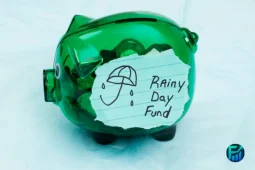
This is why an emergency fund matters. It does not need to start with thousands of dollars. Even small amounts can reduce financial pressure.
Some realistic emergency fund goals include:
- Saving one grocery trip worth of money
- Keeping one utility payment in reserve
- Building a small car repair fund
- Setting aside transportation money for work
- Saving enough for one week of basic expenses
People often avoid saving because they think the amount is too small to matter. But smart money habits usually begin with small actions repeated consistently.
The movie also highlights emotional exhaustion. Financial stress can make people feel ashamed or isolated. That is why budgeting should never be treated like punishment. A realistic budget should support survival first.
Takeaway: Open a separate savings account this week, even if you only deposit a small amount. The goal is to create distance between spending money and emergency money.
What budgeting mistakes become dangerous during emergencies?
Many households underestimate how expensive small emergencies can become. Missing work because of a car problem, paying overdraft fees, or using high interest credit cards often creates a chain reaction.
One common mistake is relying entirely on future income. When every paycheck is already committed, there is no room for surprise expenses.
Another issue is confusing wants with stress relief. After a difficult week, people sometimes spend emotionally to feel temporary comfort. This is understandable, but repeated emotional spending can quietly damage a budget.
Better budgeting starts with awareness, not guilt. Tracking spending for one week can already reveal patterns that were previously invisible.
How can smart money habits improve everyday budgeting?
Many people think budgeting means constant sacrifice. In reality, budgeting is mostly about making limited resources work better. That idea appears clearly in the movie Moneyball.
The film follows a baseball team with a smaller budget competing against wealthier teams. Since they cannot spend more money, they focus on spending smarter.
What does Moneyball teach about cost benefit decisions?
Moneyball is not really about baseball. It is about efficiency. The team wins by identifying undervalued opportunities instead of chasing expensive stars.
That same idea applies directly to household finances.
For example, many families automatically choose familiar brands without comparing price differences. Others continue paying for subscriptions they rarely use because canceling feels inconvenient.
Smart money habits involve asking practical questions like:
- Does this purchase truly improve daily life?
- Can a cheaper alternative work just as well?
- Am I paying for convenience or necessity?
- How often do I actually use this service?
- Will this expense matter next month?
Moneyball also teaches that small advantages add up over time. Saving ten dollars on groceries may not seem dramatic, but repeated savings across multiple categories can create breathing room.
For lower middle class families, this matters more than flashy investment strategies. Real financial progress often comes from controlling recurring expenses.
The movie also challenges emotional spending decisions. Expensive purchases sometimes feel like proof of success, especially after periods of financial struggle. But buying something costly does not always improve long term stability.
Many people already practice smart money habits without realizing it. Cooking at home, carpooling, comparing insurance rates, or buying secondhand items are all forms of financial optimization.
Takeaway: Choose one recurring monthly expense this week and review it carefully. Look for a cheaper phone plan, insurance option, streaming package, or grocery strategy.
What everyday purchases quietly damage a budget?
Small recurring expenses are often more dangerous than occasional large purchases. A daily convenience store stop or food delivery habit can slowly drain hundreds of dollars monthly.
This does not mean people should never enjoy themselves. The goal is balance. Financial sustainability matters more than perfection.
One practical strategy is creating a realistic “comfort budget.” Instead of trying to eliminate every enjoyable expense, set a small amount specifically for treats or entertainment. That approach often works better than extreme restriction.
How can smart money habits support extra income goals?
Many Americans rely on side hustle income to cover rising living costs. Additional income streams can reduce pressure, especially when primary wages are not enough.
The Founder offers an interesting lesson about this reality. The movie tells the story behind McDonald’s and explores the difference between ownership, efficiency, and long term thinking.
What does The Founder teach about side hustle thinking?
One important idea in The Founder is understanding the difference between assets and liabilities. In simple terms, assets help generate money or stability, while liabilities continuously cost money.
That concept matters for anyone considering a side hustle.
Many people spend heavily trying to start complicated businesses. They buy expensive equipment, advertising packages, or inventory before understanding customer demand.
But the movie shows that efficiency often matters more than size.
A realistic side hustle for working families may include:
Babysitting during weekends, delivering food after work, cleaning homes, selling homemade food locally, repairing electronics, tutoring students, or offering neighborhood services.
The best side hustle is usually the one that fits existing skills and available time. A small extra income source that remains consistent is often more useful than a risky business idea requiring loans or large upfront investments.
The Founder also highlights the importance of systems. Organized routines reduce wasted time and increase efficiency. Even simple habits like meal prep, planning transportation routes, or scheduling work shifts carefully can improve financial stability.
Another lesson involves lifestyle inflation. When income rises slightly, many people immediately increase spending. Smart money habits encourage using extra income strategically instead.
That could mean:
Paying down high interest debt, building emergency savings, catching up on utility bills, or covering future school expenses for children.
Takeaway: Identify one skill you already have that could generate small side income without major startup costs. Focus on consistency instead of perfection.
What side hustle mistakes create more stress?
Some side hustles consume so much time and money that they increase burnout instead of improving stability.
People sometimes forget to calculate fuel costs, taxes, equipment maintenance, or childcare expenses connected to extra work.
This is why realistic planning matters. Extra income should improve quality of life, not destroy physical and mental health.
It is also important to avoid scams promising fast income online. Legitimate side hustles usually require patience and effort.
How can smart money habits reduce financial confusion?
Financial stress is not always caused by low income alone. Sometimes confusion and disorganization create additional problems.
Everything Everywhere All at Once shows how overwhelming paperwork, taxes, and daily responsibilities can feel. The movie uses surreal storytelling, but many viewers recognize the chaos underneath.
What does Everything Everywhere All at Once teach about financial organization?
The film centers partly around taxes, paperwork, and family business stress. Those problems may sound boring compared to action scenes, but they reflect real life for many Americans.
Missing tax deadlines, losing documents, or ignoring official letters can create serious financial consequences.
Many working class households avoid taxes because the process feels intimidating. But avoiding financial paperwork usually makes situations worse over time.
Simple organization systems can reduce stress significantly.
For example, keeping one folder for:
Pay stubs, rent receipts, utility bills, insurance documents, tax forms, and medical paperwork.
That may sound basic, but organized records can help during audits, disputes, benefit applications, or emergency situations.
The movie also reminds viewers that asking for help is not weakness. Programs like IRS Free File and local community tax assistance programs exist to support lower income households.
Understanding credit score basics is also important. Many people fear checking their score because they assume bad news automatically means failure. In reality, monitoring credit can help identify fraud or errors early.
Good money management is often about reducing chaos before chasing growth.
Takeaway: Spend one hour organizing financial paperwork this week. Put all important documents in one secure place and create reminders for future bills or deadlines.
What financial habits create avoidable stress?
Ignoring bills until the last minute often increases anxiety. So does avoiding bank account notifications or unopened mail.
Many people feel emotionally overwhelmed by money problems. That reaction is normal. But small organizational steps can reduce fear.
Checking account balances regularly, reviewing subscriptions monthly, and opening official mail immediately are simple habits that prevent larger problems later.
How can smart money habits create stronger protection systems?
Unexpected events can destroy fragile budgets very quickly. A medical issue, job loss, or accident may create debt that takes years to recover from.
The movie Parasite highlights economic insecurity and the dangers of living without safety nets.
What does Parasite teach about financial safety nets?
Parasite explores class differences and financial desperation. One major lesson is how vulnerable families become when they lack protection systems.
Many Americans skip insurance because monthly costs already feel overwhelming. But completely avoiding protection can become even more expensive after emergencies.
Affordable coverage options may exist through employers, state programs, community clinics, or discount providers.
This does not mean every family needs expensive policies. The key lesson is reducing catastrophic risk where possible.
For example:
Renters insurance is often relatively affordable and may protect belongings after theft or fire. Preventive medical care can reduce expensive emergency visits later. Basic roadside assistance may prevent major towing bills.
Parasite also shows the emotional toll of unstable housing. Financial security is not only about numbers. It also affects sleep, relationships, and mental health.
Smart money habits include protecting stability, even in small ways.
That might mean:
Maintaining reliable transportation, protecting important documents, building emergency contacts, or knowing local assistance resources before crises happen.
Takeaway: Review one area of financial vulnerability this week. Look into affordable insurance, local assistance programs, or workplace benefits you may not fully understand.
What realistic financial protection matters most first?
For many working families, the first goal is simply reducing the chance of complete financial collapse after one bad event.
That means prioritizing basic stability before chasing luxury goals.
Reliable housing, transportation, healthcare access, and emergency savings often matter more than expensive status purchases.
Financial progress may feel slow at times, especially when income is tight. But small improvements still matter.
The movies discussed here are powerful because they reflect real struggles. They show people making mistakes, adapting, surviving, and trying again.
That is what smart money habits really look like in everyday life. Not perfection, not instant wealth, and not complicated Wall Street strategies. Just practical choices repeated consistently over time.
If you begin with one small change this week, whether that is tracking expenses, organizing paperwork, building an emergency fund, or finding a modest side hustle, you are already moving forward.
Many people living paycheck to paycheck believe financial stability is impossible. But smart money habits can slowly create more breathing room, more confidence, and more protection against future stress.
Educational information — not financial advice.